
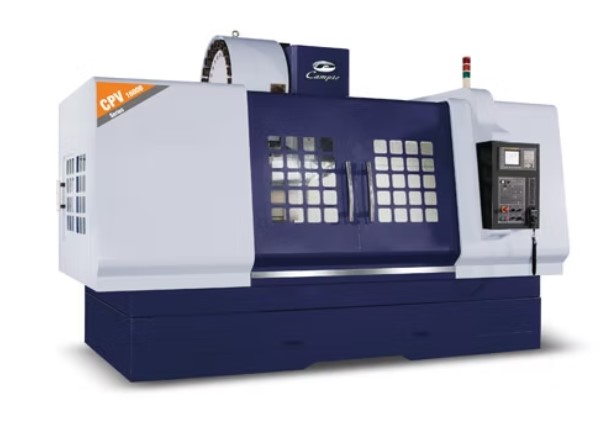
Precision machining depends on controlling heat, friction, and chip evacuation during cutting operations. In high-performance manufacturing environments, coolant systems play a central role in maintaining dimensional accuracy, extending tool life, and improving surface finishes. When operating a CNC vertical machining center, coolant delivery becomes especially critical because vertical spindle orientation concentrates heat and chips near the cutting zone. By managing thermal loads and flushing debris efficiently, coolant systems directly influence productivity, part quality, and overall machine reliability.
Understanding Coolant System Functions
Heat Control and Thermal Stability
One of the primary purposes of a coolant system is temperature regulation. As cutting tools engage with workpieces, friction generates intense heat that can distort materials and reduce tool hardness. Proper coolant flow absorbs and dissipates this heat, keeping both the tool and the workpiece within acceptable temperature ranges. Thermal stability ensures tighter tolerances and repeatable results, which are essential for high-precision manufacturing.
Lubrication and Friction Reduction
Beyond cooling, coolants provide lubrication at the tool-workpiece interface. Reduced friction minimizes tool wear, lowers cutting forces, and supports smoother cutting action. This lubrication effect becomes increasingly important during high-speed machining or when working with harder materials such as stainless steel or titanium alloys.
Types of Coolants Used in Vertical Machining
Water-Based Coolants
Water-based coolants are widely used due to their excellent heat absorption properties. They are typically mixed with additives that enhance corrosion resistance and lubrication. These coolants are ideal for operations requiring high-speed cutting and consistent temperature control.
Oil-Based and Synthetic Coolants
Oil-based coolants offer superior lubrication and are often used for heavy cutting or tapping operations. Synthetic coolants, on the other hand, provide a balance between cooling efficiency and cleanliness, making them suitable for complex machining tasks that demand both performance and ease of maintenance.
Coolant Delivery Methods and Design
Flood Cooling Systems
Flood cooling involves delivering a continuous stream of coolant directly onto the cutting zone. This method is effective for general machining tasks and helps evacuate chips quickly. In the middle of advanced manufacturing workflows, a CNC vertical machining center often relies on flood cooling to maintain consistent cutting conditions across multiple operations.
Through-Spindle Coolant
Through-spindle coolant systems deliver coolant internally through the tool, reaching the cutting edge with precision. This approach is especially effective for deep-hole drilling and high-speed milling, where external coolant may not reach critical areas.
Maintenance and Filtration Considerations
Chip Management and Filtration
Effective coolant filtration prevents chips and contaminants from recirculating through the system. Clean coolant improves pump efficiency and protects internal components from wear. Regular filtration also helps maintain consistent coolant properties over time.
Routine Monitoring and Upkeep
Coolant concentration, pH levels, and cleanliness must be monitored regularly. Neglecting maintenance can lead to bacterial growth, corrosion, and reduced cooling performance. Proper upkeep ensures long-term reliability and consistent machining results.
Impact on Productivity and Sustainability
Tool Life and Operational Efficiency
A well-managed coolant system extends tool life by reducing thermal shock and wear. In one of the last stages of process optimization, manufacturers using a CNC vertical machining center often find that optimized coolant strategies significantly reduce downtime and tooling costs.
Environmental and Safety Considerations
Modern coolant systems are designed with sustainability in mind. Low-foam formulations, biodegradable additives, and efficient recycling systems reduce environmental impact while improving workplace safety. Proper handling and disposal practices further support compliance with environmental regulations.
Conclusion
As machining technologies evolve, coolant systems remain a foundational element of efficient and accurate manufacturing. From temperature control to chip evacuation and tool protection, their role continues to expand with machine capabilities. In advanced setups such as a 5-axis vertical machining center, optimized coolant delivery becomes even more critical, supporting complex tool paths, higher spindle speeds, and superior part quality while maintaining operational stability.