
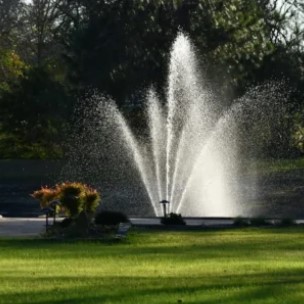
Mid-size ponds often struggle with uneven water movement, leading to stagnation, algae growth, and declining water quality over time. Owners frequently add surface aerators or small pumps, only to find circulation remains inconsistent across depth and width. A selected 3/4 HP pond fountain addresses these issues by combining vertical mixing with controlled surface agitation. Designed for ponds too large for fractional-horsepower units yet not large enough for industrial systems, this solution delivers balanced flow. Understanding how circulation works and why horsepower matters helps pond managers choose equipment that improves ecosystem stability, visual appeal, and long-term maintenance efficiency.
Understanding circulation challenges in mid-size ponds
Ponds in the mid-size category typically range from one-quarter to one acre, often with varying depths and irregular shorelines. These characteristics create dead zones where water fails to circulate properly, allowing debris, nutrients, and heat to accumulate. Inadequate circulation encourages algae blooms and reduces dissolved oxygen, stressing fish and beneficial bacteria. Many smaller aeration systems lack the power to move water vertically, while oversized systems can disrupt sediment layers. Selecting equipment that creates uniform circulation without excessive turbulence is critical, and this is where horsepower selection becomes a decisive factor in long-term pond health.
Why does horsepower matter for effective water movement?
Horsepower directly influences how much water a fountain can move and how far that movement reaches. In mid-size ponds, low-horsepower units may circulate surface water only, leaving deeper layers stagnant. Excessively powerful systems, on the other hand, can resuspend sediment and cloud the water. A 3/4 HP pond fountain sits in the optimal range, generating sufficient thrust to move water from the bottom upward while maintaining controlled surface patterns. This balanced output ensures oxygen-rich water is distributed evenly, improving biological processes without disturbing the pond’s structural integrity.
How balanced circulation improves oxygen and clarity
Proper circulation does more than move water; it supports the entire pond ecosystem. When water is evenly mixed, oxygen levels stabilize throughout the pond, supporting fish respiration and aerobic bacteria that break down organic waste. Mid-depth circulation also helps regulate temperature stratification, reducing sudden oxygen drops during warm months. By positioning the system correctly, operators can ensure the 3/4 HP pond fountain promotes consistent mixing rather than directional flow, leading to clearer water, reduced odors, and a more resilient aquatic environment over time.
Energy efficiency and long-term maintenance benefits
Mid-size pond owners often balance performance with operating costs. Systems that are underpowered run continuously without solving circulation problems, while oversized systems consume unnecessary energy. A properly matched fountain reduces runtime inefficiencies by achieving effective circulation within a reasonable operating schedule. Additionally, improved water quality minimizes algae-related maintenance and reduces wear on filters and supplemental aeration devices. Over time, choosing a solution engineered for this pond size class lowers energy consumption and extends equipment lifespan, making it a practical and economical circulation strategy.
Matching fountain design to pond layout
Beyond horsepower, nozzle design and spray patterns influence circulation effectiveness. Wide, multi-directional patterns promote surface agitation, while narrower streams focus on vertical lift. When combined with appropriate placement, these elements ensure water is drawn upward from deeper zones and redistributed across the surface. Integrating circulation goals with aesthetic preferences allows pond managers to maintain visual appeal without sacrificing function. This holistic approach ensures that circulation improvements align with ecological needs rather than acting as purely decorative features.
Conclusion
In conclusion, resolving circulation issues in mid-size ponds requires a system that balances power, efficiency, and ecological sensitivity. When correctly selected and installed, they deliver consistent water movement that stabilizes oxygen levels and improves clarity. Pairing this performance with an appropriately designed water fountain nozzle further enhances distribution and effectiveness. For pond owners seeking reliable, professionally supported solutions, Friendly Fountains provides systems engineered to meet these circulation needs while supporting long-term pond health.