
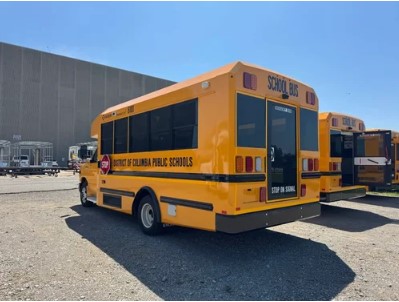
As school districts look for smarter, cleaner, and more cost-effective transportation options, electric buses are becoming a practical and popular solution. Today’s electric school bus manufacturers play a major role in transforming school fleets with advanced technology, long-term cost savings, and sustainable performance. But how exactly do these manufacturers enhance fleet efficiency? It comes down to innovation, integration, and intelligent design.
The Shift Toward Smarter, Cleaner School Transportation
One of the biggest factors driving school districts toward modern electric fleets is the rising efficiency of EV school bus models. Manufacturers are continuously improving battery systems, charging capabilities, and vehicle range to ensure schools experience fewer delays, lower operating costs, and more reliable performance. As technology advances, districts can replace aging diesel fleets with cleaner, quieter buses that deliver consistent day-to-day operation.
Key Technologies Used to Boost Efficiency
1. Advanced Battery Technology
Batteries are the heart of an electric school bus, and their performance directly impacts efficiency. Manufacturers invest heavily in developing high-density lithium-ion battery systems that store more power, charge faster, and last longer. Improved thermal management systems ensure batteries remain stable even during extreme temperatures, reducing wear and extending lifespan.
2. Regenerative Braking
Regenerative braking allows electric buses to convert braking energy into usable power. Every time the bus slows down, energy is fed back into the battery rather than wasted as heat. This feature significantly increases driving range while reducing overall energy consumption, which helps districts maximize performance without increasing operating costs.
3. Smart Charging Infrastructure
To improve fleet efficiency, electric school bus manufacturers work closely with districts to implement optimized charging solutions. These include Level 2 chargers for overnight charging and DC fast chargers for quick turnaround times. Smart charging software can control when and how buses charge, helping districts avoid peak energy rates and lower electricity costs.
Engineering That Enhances Performance
Lightweight Vehicle Structure
Materials like aluminum, molded composites, and high-strength steel help reduce vehicle weight without compromising safety. Lighter buses require less energy to operate, which not only extends range but also lowers the total cost of ownership.
Aerodynamic Design
electric school bus manufacturers are now designing buses with aerodynamics in mind—rounded edges, smoother surfaces, and streamlined body panels reduce drag. These small changes add up, improving energy efficiency and increasing overall mileage per charge.
Improved Motor and Drivetrain
Modern electric motors are built for durability and efficiency. They provide instant torque, smoother acceleration, and reduced maintenance needs due to fewer moving parts. This reliability improves uptime and long-term fleet performance for school bus manufacturers working to meet district demands.
Fleet Management Tools That Enhance Efficiency
Telematics and Real-Time Monitoring
Electric buses come equipped with telematics systems that monitor battery health, energy consumption, vehicle location, and predictive maintenance alerts. Fleet managers can use this data to optimize routes, improve scheduling, and reduce unnecessary downtimes.
Predictive Maintenance
Unlike diesel engines, electric buses have simplified drivetrains with fewer components that wear out. Manufacturers integrate predictive maintenance technologies that alert operators before issues arise. This reduces breakdowns, extends vehicle life, and cuts repair costs.
Route Optimization Software
Electric bus manufacturers provide routing analytics that match bus range and battery capacity with daily travel demands. This ensures buses follow the most efficient routes, reducing energy waste and ensuring smooth operation throughout the day.
Operational Benefits That Increase Efficiency
Lower Fuel Costs
Electricity is significantly cheaper and more stable in price than diesel. Districts benefit from long-term savings while gaining consistent fleet performance.
Reduced Maintenance
No oil changes, fewer moving parts, and simplified mechanical systems mean electric buses spend more time on the road and less time in repair bays.
Improved Reliability
Because electric drivetrains are simpler, they offer fewer points of failure. This reliability is one of the strongest reasons districts continue to adopt electric fleets.
Conclusion
Electric fleets are becoming the future of school transportation, and this transition is driven by continuous innovation from electric bus manufacturers. Through improved battery systems, optimized charging infrastructure, lightweight engineering, and advanced fleet management tools, electric school bus manufacturers are making school transportation cleaner, more cost-efficient, and more reliable than ever.