
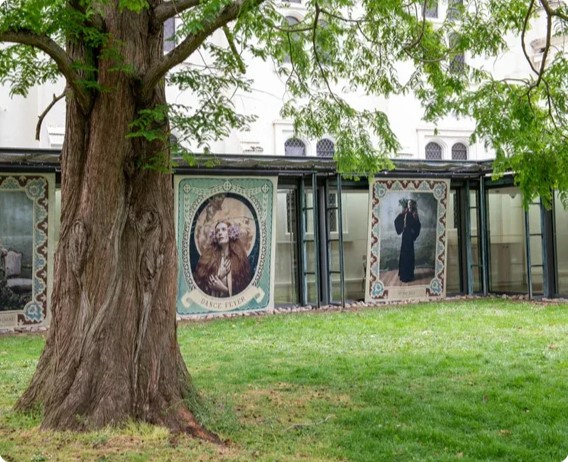
The medieval tapestry offers a unique window into the art, fashion, and culture of the 15th century. These works were commissioned by nobility and religious institutions to display status, commemorate events, and decorate interiors. Beyond their visual appeal, they preserved details about clothing, customs, and social hierarchies that might otherwise have been lost to history.
Fashion Depicted in Tapestries
One striking aspect of these artworks is their depiction of contemporary clothing. Nobles are often depicted in richly embroidered gowns, flowing robes, and elaborate headpieces, while peasants wear simpler tunics and cloaks. The level of detail demonstrates the care of the tapestry maker in observing fashion trends, making the pieces valuable for understanding medieval style. Accessories such as belts, gloves, and jewelry were often highlighted, providing further insight into the wealth distinctions and aesthetic preferences of the era.
Cultural Narratives and Symbolism
Tapestries frequently illustrated legends, religious stories, and historical events, turning each piece into a visual narrative. Scenes of feasts, hunting, and courtly ceremonies highlight social structures and reflect the values of the time. Symbolic motifs, such as heraldic emblems or floral designs, reinforced identity, power, and moral lessons. Colors used in these works were also symbolic; deep blues often represented loyalty, red conveyed power and passion, and gold threads indicated wealth and prestige. These color choices allowed patrons to convey messages about their status and values through the tapestry itself.
Techniques and Craftsmanship
Creating these large woven artworks required exceptional skill and planning. Artisans used detailed sketches to guide their work, carefully weaving threads to achieve vibrant colors, patterns, and fine details. Materials varied, with wool, silk, and even gold or silver threads woven together to produce a rich texture. The painstaking process could take months or years, particularly for large-scale tapestries intended to cover entire walls. Each piece required coordination among multiple skilled weavers, demonstrating the collective craftsmanship of the workshop and the dedication to precision.
Everyday Life in Tapestries
Beyond noble and religious themes, tapestries often depicted domestic scenes, farming, and seasonal tasks. These portrayals provide insight into social norms, labor practices, and daily routines, offering a more complete picture of 15th-century society. Markets, harvests, and celebrations appear alongside depictions of courtly entertainment, showing both the grandeur of aristocratic life and the realities of ordinary citizens. These scenes also served as educational tools, subtly communicating moral lessons or expected behaviors to viewers.
Legacy and Influence
Today, surviving examples are treasured in museums and private collections worldwide. They continue to inspire contemporary textile artists and interior designers, who borrow motifs, weaving techniques, and storytelling approaches for modern decorative applications. The artistry of the original tapestry maker ensures that these cultural narratives and technical skills remain appreciated today. Modern exhibitions often emphasize not only the aesthetic beauty but also the historical significance, providing context about medieval society, clothing, and artistry.
Conclusion
The medieval tapestry is more than decorative art; it is a historical record of 15th-century fashion, customs, and cultural values. Through skilled craftsmanship, symbolic color use, and intricate storytelling, these pieces document both daily life and ceremonial grandeur. Studying them offers a deeper understanding of the period while highlighting the enduring influence of woven works as cultural and artistic treasures. The attention to detail, choice of materials, and depiction of societal structures make these tapestries invaluable for appreciating both the artistry and the history of the medieval world.