
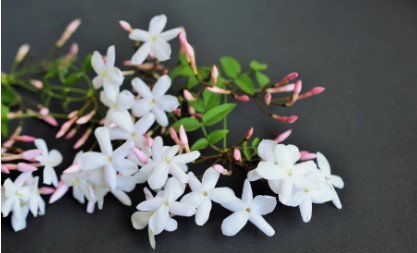
Few plants combine beauty, fragrance, and versatility quite like Trachelospermum jasminoides. This evergreen climber produces clusters of small, white, star-shaped flowers with a sweet, lingering scent that fills the garden from late spring through summer. Whether trained up a trellis, draped along a fence, or spread across the ground as a cover, it adapts beautifully to nearly any landscape role. The star jasmine vine is especially valued for its dense foliage, low maintenance needs, and ability to create a lush, elegant outdoor setting. Understanding how to grow and use it well makes all the difference in getting the most from this remarkable plant.
What Is Star Jasmine and Where Does It Thrive?
The star jasmine vine belongs to the Apocynaceae family and is prized for its glossy, dark green foliage that stays attractive year-round. It is a climbing vine capable of reaching up to 20 feet in height with a spread of up to 10 feet wide. Its twining stems cling naturally to structures, creating a lush vertical display over time. The plant thrives in full sun to partial shade and performs best in well-draining soil. Once established, it is relatively drought-tolerant, making it a practical choice for warmer, drier climates such as California, Nevada, and Arizona.
How to Plant Star Jasmine the Right Way
Proper planting sets the foundation for healthy, vigorous growth. Choose a location that receives at least four to six hours of sunlight daily. Prepare the soil by loosening it well and mixing in organic compost to improve drainage and fertility. Dig a hole twice as wide as the root ball and plant at the same depth the plant sat in its container. Water thoroughly after planting and apply a layer of mulch around the base to retain moisture. During the first growing season, consistent watering is important to help the roots establish before the plant begins climbing and spreading on its own.
Training and Support for Climbing Growth
One of the most rewarding aspects of growing a star jasmine vine is guiding its growth along structures. It grows well on walls, trellises, fences, and arbors. Staked vine forms are ideal for directing upward growth from the very beginning, making them especially useful when you want the plant to fill a specific vertical space. For flat surfaces such as walls and fences, flat-trained forms create a clean, structured green surface that covers large areas neatly. Regularly tying new growth to its support in the early stages encourages the vine to climb in the desired direction and prevents tangled, unruly stems.
Blooming Season and Fragrance
The star jasmine vine blooms primarily in late spring and early summer, with sporadic flowering continuing through the warmer months. The flowers are small, white, and intensely fragrant, with a scent that carries well into surrounding areas, making evenings in the garden particularly pleasant. The blooms are also known to attract pollinators, including bees and butterflies, adding ecological value alongside their ornamental appeal. Feeding the plant monthly during the growing season with a balanced fertilizer helps support healthy foliage and encourages consistent blooming year after year.
Care, Maintenance, and Pruning Tips
Star jasmine is relatively low-maintenance once established. Pruning is best done after the main bloom period to shape the plant and remove any dead or overgrown stems. Avoid heavy pruning in late fall, as this can reduce next season’s flowering. The plant prefers consistently moist but well-draining soil and does not respond well to waterlogged conditions. In containers, it stays more compact but continues to grow upward around its support.
Conclusion
The star jasmine vine is a standout choice for any garden seeking fragrance, structure, and year-round greenery with minimal fuss. From covering fences and trellises to acting as a ground cover on challenging slopes, its versatility is hard to match. For gardeners looking to complement it within a broader planting scheme, pairing star jasmine with well-chosen flowering bushes creates a layered, textured landscape that offers both seasonal color and lasting visual appeal throughout the year.