
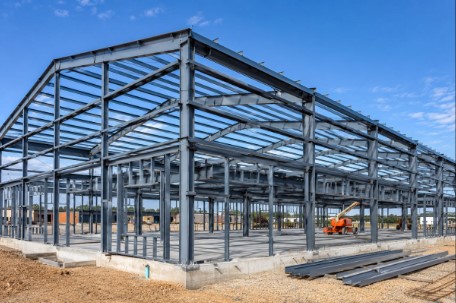
Industrial and commercial infrastructure continues to evolve as businesses demand faster project delivery, stronger structural systems, and more cost-efficient building solutions. Traditional construction methods are still widely used, but many industries are increasingly shifting toward engineered steel structures because of their durability, flexibility, and reduced construction timelines.
In this context, commercial steel building construction has become a preferred approach for warehouses, manufacturing units, distribution centers, and large-scale commercial facilities. Steel-based structures allow for faster assembly and better adaptability, making them suitable for industries that require large open spaces and long-term operational reliability.
As commercial development expands across urban and industrial zones, demand for structured erection and installation expertise continues to grow alongside it.
Why Steel Structures Are Used in Commercial Projects?
Steel has become one of the most widely used materials in commercial infrastructure because of its strength-to-weight ratio and design flexibility. It allows engineers to create large-span buildings without requiring excessive internal support columns, which is especially useful in industrial environments.
Key advantages of steel-based construction include:
- Faster construction timelines
- High structural durability
- Reduced long-term maintenance needs
- Flexible architectural design
- Resistance to environmental stress
- Scalability for future expansion
These benefits make steel construction a practical solution for businesses planning long-term infrastructure investments. Many contractors specializing in commercial steel building construction focus on pre-engineered systems that simplify on-site assembly and reduce project delays.
Understanding Pre-Engineered Steel Building Systems
Pre-engineered steel buildings (PEMBs) are designed and manufactured off-site before being assembled at the construction location. This method significantly improves efficiency by reducing on-site fabrication work and minimizing material waste.
These systems are commonly used in:
- Warehouses and logistics centers
- Manufacturing plants
- Agricultural storage facilities
- Retail and commercial complexes
- Aviation hangars
- Industrial workshops
Because components are pre-designed and pre-cut, assembly becomes faster and more predictable, helping contractors maintain tighter project schedules and controlled budgets.
The Role of Building Erection in Construction Projects
Steel erection is one of the most important phases in commercial construction because it involves assembling the primary structural framework of a building. This process requires technical precision, heavy equipment, and strict adherence to safety standards.
Professional erection teams are typically responsible for:
- Assembling structural steel frames
- Installing roof and wall systems
- Aligning beams and columns
- Securing bolted and welded connections
- Coordinating with engineering plans
- Ensuring site safety compliance
Proper execution during this stage ensures that the building structure remains stable, aligned, and capable of supporting long-term operational loads.
Safety and Precision in Steel Construction
Safety remains a top priority in any commercial construction project, especially when dealing with large steel components and elevated installations. Erection teams must follow strict protocols to prevent workplace accidents and ensure compliance with industry standards.
Common safety practices include:
- Use of fall protection systems
- Crane operation safety measures
- Rigging inspections
- Structural load assessments
- Worker certification requirements
In addition to safety, precision is equally important. Even minor misalignments in structural components can affect the stability of the entire building. This is why experienced professionals are essential in executing commercial steel building construction projects efficiently and accurately.
Efficiency and Project Timelines
One of the primary reasons businesses choose steel construction is the reduction in overall project timelines. Since many components are prefabricated, on-site assembly can begin quickly and progress at a faster rate compared to traditional construction methods.
Efficient planning and coordination between engineering teams and erection crews help:
- Reduce construction delays
- Optimize labor usage
- Improve material handling efficiency
- Maintain project schedules
- Minimize weather-related disruptions
Conclusion
As modern industries continue to expand, the need for efficient, durable, and scalable infrastructure has become more important than ever. Commercial steel building construction provides a practical solution for businesses seeking speed, strength, and flexibility in their facilities. Combined with professional building erection services, these structures ensure safe installation, improved efficiency, and long-term operational stability, making them a cornerstone of today’s commercial development landscape.