
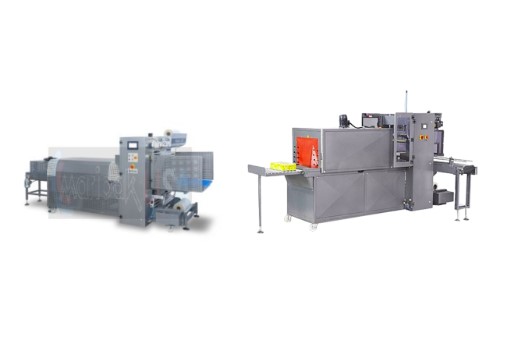
Modern manufacturing environments require packaging systems that deliver speed, consistency, and product protection while supporting high-volume production. Whether packaging food products, pharmaceuticals, electronics, printed materials, or consumer goods, manufacturers depend on automated equipment that minimizes waste and ensures every package meets quality standards. Among the most widely adopted packaging technologies is shrink wrapping, which creates secure, tamper-evident, and visually appealing packages for products of various sizes and shapes.
A shrink film wrapping machine plays a critical role in this process by automatically enclosing products in shrink film before heat is applied to create a tight, protective package. Today’s shrink film wrapping machine integrates automation, precision controls, and efficient film handling to improve packaging consistency while increasing overall production efficiency.
Understanding the Shrink Wrapping Process
Shrink wrapping is a packaging method in which a product is enclosed in polymer shrink film before passing through a heat source that causes the film to contract uniformly around the product.
The packaging process generally involves:
- Product feeding
- Film dispensing
- Product wrapping
- Film sealing
- Heat shrinking
- Finished package discharge
Each stage is carefully synchronized to maintain production speed while producing a professional-looking package.
Main Components of a Shrink Film Wrapping Machine
Modern packaging systems consist of several integrated components that work together throughout the packaging cycle.
Key components include:
- Film roll holder
- Film feeding mechanism
- Automatic sealing system
- Product conveyor
- Control panel
- Sensors for product positioning
- Drive motors
- Safety protection systems
These components help ensure smooth operation and consistent packaging quality across different production environments.
Types of Shrink Wrapping Machines
Manufacturers select equipment according to production volume, product dimensions, and automation requirements.
Common machine configurations include:
- Manual shrink wrapping machines
- Semi-automatic systems
- Fully automatic shrink wrappers
- Side-seal wrapping machines
- Continuous motion packaging systems
- High-speed industrial packaging lines
Each configuration offers different production capacities depending on operational needs.
Why Automation Improves Packaging Performance
A modern shrink film wrapping machine provides advantages beyond simply increasing production speed.
Automation helps manufacturers achieve:
- Consistent package dimensions
- Reduced material waste
- Improved sealing quality
- Higher production throughput
- Lower labor requirements
- Better product presentation
Automated systems also reduce the variability associated with manual packaging processes, improving overall quality control.
Selecting the Right Shrink Film
The performance of any shrink film wrapping machine depends partly on selecting the appropriate packaging material.
Common shrink films include:
- Polyolefin (POF)
- Polyethylene (PE)
- Polyvinyl chloride (PVC)
Film selection depends on several factors, including:
- Product weight
- Package dimensions
- Required durability
- Transparency requirements
- Food-contact regulations
- Distribution conditions
Matching the correct film to the application contributes to stronger, more reliable packaging.
Factors That Influence Packaging Quality
Several operating parameters determine the effectiveness of shrink wrapping.
These include:
- Film thickness
- Sealing temperature
- Conveyor speed
- Product spacing
- Machine alignment
- Heat distribution
- Film tension
Proper adjustment of these variables helps produce wrinkle-free packages with secure seals and consistent appearance.
Maintenance Supports Long-Term Reliability
Routine maintenance plays an important role in maximizing equipment performance.
Recommended maintenance activities include:
- Cleaning sealing components
- Inspecting conveyor belts
- Checking electrical connections
- Verifying sensor operation
- Lubricating moving parts
- Replacing worn sealing elements
- Monitoring film feed mechanisms
Preventive maintenance reduces unexpected downtime while helping maintain packaging quality over extended production periods.
Industrial Applications
A shrink film wrapping machine is widely used across numerous manufacturing industries because of its versatility and efficiency.
Typical applications include:
- Food and beverage packaging
- Pharmaceutical products
- Cosmetics and personal care items
- Printed publications
- Consumer electronics
- Household products
- Industrial components
- Promotional multipacks
Its ability to accommodate different product sizes makes shrink wrapping one of the most flexible packaging methods available.
Future Developments in Shrink Packaging
Packaging technology continues to evolve with greater emphasis on automation, sustainability, and operational efficiency. New-generation machines incorporate programmable controls, smart sensors, energy-efficient heating systems, and digital monitoring capabilities that improve production consistency while reducing operating costs. As manufacturing becomes increasingly automated, shrink wrapping systems are expected to deliver even higher productivity and improved packaging precision.
Conclusion
Maripak USA demonstrates how modern packaging equipment continues to advance through automation, precision engineering, and efficient process control. A high-quality shrink film wrapping machine supports consistent package appearance, reliable sealing performance, and streamlined production across a wide range of industries. By combining appropriate film selection, proper machine settings, routine maintenance, and advanced automation, manufacturers can maximize the performance of a shrink film wrapping machine while achieving greater operational efficiency and long-term packaging reliability.