
Tire repair requires careful preparation, appropriate tools, and an understanding of how different types of damage affect the tire. Small punctures and injuries can be particularly challenging when the damaged area is narrow or difficult to access. Specialized tools help technicians prepare these areas before applying appropriate repair materials.
A nail hole reamer is one such tool, designed for accessing and preparing specific tire injuries. Understanding how it differs from broader tire buffing equipment can help technicians select the right tool for the job and maintain consistent preparation practices.
Rubberhog tire repair tools are designed for professional tire repair and rubber surface preparation, including applications involving passenger, commercial truck, agricultural, and OTR tires.
What Is a Nail Hole Reamer?
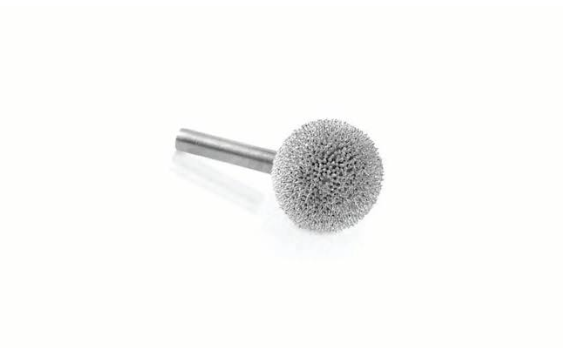
A nail hole reamer is a specialized rotary tool used to prepare certain puncture injuries in tires. Unlike larger buffing wheels designed to work across broader surfaces, a reamer is intended to access a relatively small injury area.
Rubberhog’s current 1/4-inch shaft tool range includes a dedicated nail hole reamer listed as part number 626. The tool has a 1/4-inch diameter and a coarse 330 coating. The manufacturer specifically identifies its nail hole reamers for preparing injuries in bias tires.
The compact form makes this type of tool useful where a larger wheel would not provide the same level of access or control.
Why Specialized Tire Repair Tools Matter
Tire repair involves more than simply covering a puncture. The damaged area generally needs to be properly inspected and prepared according to the applicable repair procedure before repair materials are installed.
Different areas of a tire can require different tools. A large contour wheel may be appropriate for buffing a broad section of the inner liner, while a smaller tool can be more practical for a narrow injury.
Rubberhog’s 1/4-inch shaft tools are described as being useful for skiving, texturing, cleaning repair cavities, and small buzzout repairs. Their different shapes allow technicians to select a tool based on the size and location of the repair area.
How Nail Hole Reamers Differ From Buffing Wheels
Buffing wheels generally cover a larger surface area and are designed for broader rubber removal and surface preparation.
For example, Rubberhog flared contour wheels are designed for inner-liner buffing and repair preparation. Their flared profile provides a larger contact area and is intended to produce a smooth, uniform buffed surface.
A nail hole reamer, by contrast, is intended for more localized work. Its smaller profile allows technicians to reach specific injury areas without relying on a large-diameter tool.
This distinction is important because using a tool that is too large for a particular repair area can make controlled preparation more difficult.
The Role of Surface Preparation
Surface preparation is an important part of tire repair because repair materials need an appropriately prepared rubber surface.
Rubberhog states that its tire repair tools create a consistent rubber texture for repair preparation and patch bonding. The company’s structured tungsten-carbide cutting technology is designed to mechanically remove rubber while limiting the heat associated with conventional abrasive processes.
For broader repairs, the manufacturer offers several tool configurations, including flared contour wheels, buzzout wheels, shaft tools, and other specialized equipment.
The appropriate tool should always be selected according to the tire, injury, repair procedure, and manufacturer’s recommendations.
Understanding Tire Buffing Rasp Applications
A tire buffing rasp is another type of tool associated with rubber removal and tire surface preparation. Rasp-style tools can be useful when a technician needs to remove material or prepare a rubber surface in a controlled manner.
The important consideration is matching the tool’s size, shape, cutting structure, and intended application to the repair task. A tool designed for larger surface preparation is not necessarily appropriate for a small puncture injury.
Oliver Carbide’s engineered tungsten-carbide technologies are used across different tool designs, including rasps, grinding wheels, rotary burrs, and other material-removal products.
Choosing the Appropriate Tool Size
Tool dimensions can have a significant effect on control.
Smaller shaft tools are intended for tighter areas and detailed repair preparation. Rubberhog’s 1/8-inch shaft tool kit, for example, combines several small tool shapes for very small repairs and detailing. The kit includes long and short tapers, a sphere, and a rotor saw.
The company’s 1/4-inch shaft range provides larger options, including spheres, tapers, a rotor saw, and the nail hole reamer.
This range illustrates why repair technicians may need multiple tool types rather than relying on one general-purpose accessory.
Considering Cutting Technology
The construction of a tire repair tool can influence how it interacts with rubber.
Rubberhog tools use structured tungsten-carbide teeth that are permanently bonded to a steel core. According to the manufacturer, these individual cutting teeth mechanically engage the rubber rather than relying on conventional abrasive grit.
The company describes this technology as providing controlled material removal, reduced heat buildup, consistent surface texture, and extended tool life. These are manufacturer-described characteristics and should be considered alongside the requirements of the specific repair procedure.
Tool Compatibility and Adapters
A specialized tire repair tool is only useful if it can be properly connected to the appropriate equipment.
Rubberhog offers adapters designed to mount its tire repair wheels and tools to air buffers equipped with 1/4-inch collets or adjustable chucks. The adapters use a 3/8-24 threaded connection and are available in different shaft lengths.
Before using any accessory, technicians should confirm compatibility between the tool, adapter, air buffer, collet, and other equipment involved.
Pay Attention to Operating Specifications
Rotary tire repair tools must be operated within their specified limits.
For Rubberhog’s 1/4-inch shaft tools, the manufacturer lists a recommended maximum speed of 25,000 RPM.
Following the manufacturer’s operating instructions is essential. Technicians should also use appropriate personal protective equipment and follow established shop procedures for tire inspection, repair, and equipment operation.
Tool specifications should never be treated as interchangeable simply because two accessories appear similar.
Matching the Tool to the Tire
Tire construction and repair location matter when selecting equipment.
Rubberhog’s product range covers different repair applications, including passenger and light-truck tire repair, commercial truck work, OTR applications, retreading, inner-liner buffing, section repair, and repair cavity preparation.
The manufacturer specifically identifies its 1/4-inch nail hole reamer for injuries in bias tires.
Technicians should therefore consult the applicable tire manufacturer’s repair guidance and established industry procedures rather than assuming that the same tool or technique applies to every tire construction.
Maintaining Tire Repair Tools
Regular inspection of tools can help identify wear or damage before it affects the repair process.
Technicians should check cutting surfaces, shafts, threads, adapters, and mounting components for signs of excessive wear or damage. Tools should also be kept clean and stored appropriately between uses.
If a tool no longer performs as intended, continuing to use it may make controlled preparation more difficult. Replacing worn accessories according to the manufacturer’s recommendations can help maintain consistency.
A Complete Tire Repair Setup Uses Multiple Tools
No single tool is designed to perform every tire repair task.
A professional setup may include contour wheels for larger surface preparation, buzzout wheels for repair cavities, smaller shaft tools for confined areas, adapters for equipment compatibility, and other specialized accessories.
Rubberhog’s current tire repair range includes original, extreme, and economy flared contour wheels, 1/4-inch and 1/8-inch shaft tools, round buzzout wheels, rotary knife blades, adapters, and other products.
Selecting tools according to their intended application can help technicians maintain a more controlled and organized repair process.
Conclusion
A nail hole reamer is a specialized tire repair tool intended for preparing certain small injury areas, particularly in bias tires. Its compact design makes it different from larger buffing wheels used for broader surface preparation. Understanding the distinctions between specialized repair accessories, including a tire buffing rasp, contour wheel, buzzout wheel, and shaft tool, can help technicians choose equipment according to the specific repair task. Proper tool compatibility, operating limits, tire construction, and established repair procedures should always be considered. For professionals researching tire repair and rubber-removal technology, Oliver Carbide Products Inc. provides Rubberhog tools designed for applications ranging from localized injury preparation to broader tire buffing and repair preparation. The right tool does not replace proper inspection or repair procedures, but selecting equipment designed for the intended application can contribute to controlled preparation and consistent workmanship.