
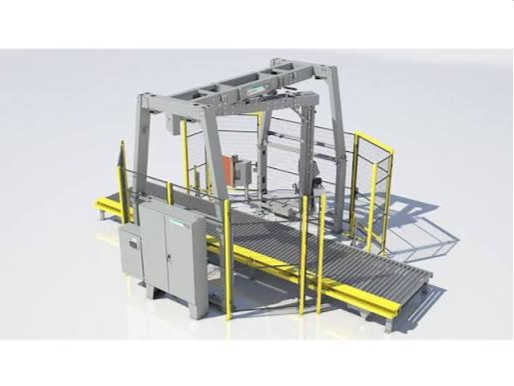
Pallet loads that shift, tear, or arrive loose in transit lead to damaged goods, returned orders, and wasted labor. Warehouses and distribution centers use stretch film to bind products into a stable unit, and the equipment applying that film plays a large role in how well the load holds together. An Orion stretch wrap machine is one example of the automated wrapping equipment found on packing lines, where a turntable or rotating arm winds film around a pallet at a controlled tension. Because these systems run for long hours, their reliability depends on understanding how they work and how each component wears. This article explains the main operating principles, the components that need regular attention, and the habits that keep wrapping consistent and downtime low.
How Pallet Wrapping Works
Stretch wrapping relies on the elasticity of plastic film. As the film is stretched, it tries to return to its original length, which creates the holding force that keeps cartons tight against each other. In a turntable design, the pallet rotates while a film carriage moves up and down a mast, spiraling film over the load. Rotary arm designs keep the pallet still and move the film around it, which suits unstable or very light loads. Any Orion stretch wrap machine setup typically lets operators adjust wrap count, overlap, film tension, and top and bottom layers. These settings determine how secure the load feels and how much film is consumed per pallet. Pre-stretch rollers allow the film to extend further before it reaches the load, reducing material use.
Key Components and Wear Points
A wrapper has many moving elements, and each has a service life. The film carriage holds the roll and pre-stretch rollers, and it relies on bearings, gears, and a drive belt or chain to travel smoothly. The turntable depends on a motor, gearbox, and support wheels to rotate heavy pallets without wobble. Sensors detect load height and film breaks, while the control panel manages cycle settings. Owners of an Orion stretch wrap machine should know that rubber rollers lose grip over time, chains stretch, and sensors can misread when covered in dust. Each machine part has a typical wear pattern, so noting early warning signs such as noise, vibration, or uneven film delivery helps prevent a small fault from becoming a full stoppage.
Preventive Maintenance Habits
Routine maintenance is the most effective way to protect uptime. Clean film residue from rollers and sensors, since buildup affects tension and detection. Lubricate chains and bearings according to the manufacturer’s schedule, and tighten fasteners that loosen under vibration. Check the turntable for debris, and make sure the floor under it is level. Operators running an Orion stretch wrap machine every shift can benefit from a simple daily checklist covering film path, guards, emergency stops, and unusual sounds. Keeping a written log of repairs and adjustments also helps identify repeating problems. Training staff to load film correctly reduces tears and uneven wraps, which are often blamed on the equipment when the cause is handling.
Troubleshooting Common Problems
Several faults appear repeatedly in wrapping operations. Film tearing during a cycle often points to a damaged roller, excessive tension, or a sharp pallet edge. Loose wraps may indicate worn pre-stretch gears or incorrect settings. If the carriage stops mid-cycle, check the limit sensors, drive belt, and power connections before assuming a major failure. A problem with the Orion stretch wrap machine that appears suddenly, such as the turntable failing to rotate, usually traces to a motor, relay, or safety interlock. Always disconnect power before inspecting internal parts, and follow lockout procedures to protect personnel. Documenting each fault helps spot patterns and plan replacements before breakdowns occur.
Conclusion
Dependable pallet wrapping comes from three things: correct settings, clean operation, and timely replacement of worn components. Keeping a small stock of frequently used items, such as rollers, belts, and sensors, shortens repair time. When a fault does occur, identifying the exact machine part involved and confirming its specification before ordering prevents delays and mismatched replacements. Regular inspections and operator training further protect the equipment and the loads it secures. With careful attention to maintenance and prompt troubleshooting, an Orion stretch wrap machine can keep delivering stable, professional pallet loads shift after shift.