
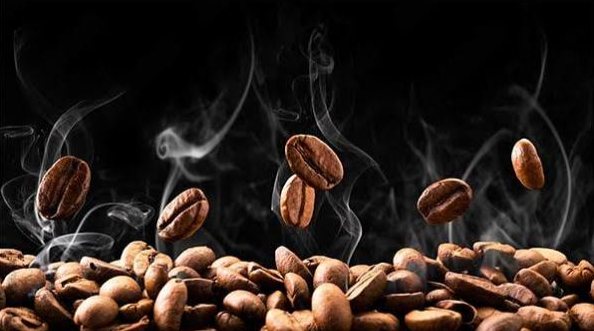
Coffee lovers who pay attention to flavor soon notice that two bags labeled the same way can taste completely different. The difference often comes down to how the beans were roasted, how recently, and in what quantity. Roasters working in tiny lots have drawn growing interest because micro-roasted coffee is prepared with close attention to every stage, from the first crack to the final cool-down. Smaller batches allow the person at the machine to watch color, aroma, and timing in a way that large industrial drums rarely permit. The result is often a cup that tastes cleaner, brighter, and more expressive. This article explains what the term means, why freshness matters so much, and how to brew and store beans at home so the flavor lasts.
What Small-Batch Roasting Really Involves
Roasting transforms dense green seeds into aromatic beans through carefully managed heat. As temperature climbs, moisture leaves the seed, sugars caramelize, and hundreds of flavor compounds develop. A roaster watches for the first crack, an audible pop that signals the beans are expanding, and then decides how much longer to continue. Stopping early preserves fruity, floral notes, while going darker brings out chocolate, nut, and smoky tones. With micro-roasted coffee, the batch is small enough that these decisions can be adjusted by feel, sight, and smell instead of relying only on preset profiles. Airflow, drum speed, and heat levels are tweaked in real time, and every lot is typically tested through tasting before it is released. Origin matters as well, since beans from different altitudes, soils, and processing methods respond differently to the same heat. A bean grown at high elevation is usually denser and may need a gentler approach than a softer lowland variety. Roasters often keep detailed notes on each batch so successful results can be repeated and mistakes can be corrected quickly. Cooling the beans fast is also important, because lingering heat keeps the roast going and can flatten delicate flavors.
Storage, Grinding, and Brewing at Home
Freshness is the quality most drinkers can control once the beans arrive. Roasted beans release carbon dioxide for several days, and they slowly lose aroma as oxygen, light, heat, and moisture reach them. Buying micro-roasted coffee in modest quantities that will be used within a few weeks keeps the flavor close to its peak. Store the beans in an airtight, opaque container at room temperature, away from the stove and sunlight. Refrigerators and freezers can introduce moisture through condensation, so a cool, dry cupboard is usually the better choice. Grinding just before brewing makes a noticeable difference, because ground coffee stales far faster than whole beans. Grind size should match the method: coarse for French press and cold brew, medium for drip machines, and fine for espresso. Water quality and temperature also shape the cup, and a range of about 90 to 96 degrees Celsius extracts well without bitterness. A basic starting ratio is roughly one part coffee to sixteen parts water, which can be adjusted to taste. Using a kitchen scale and a timer turns brewing into a repeatable routine instead of a guess. Keep notes on what you change, since small tweaks to grind or time can improve a cup quickly. Rinsing paper filters and cleaning equipment regularly also removes stale oils that spoil flavor.
Conclusion
Good coffee is the product of many small decisions, from the farm to the roaster to the kitchen counter. Paying attention to roast date, bean origin, and storage habits gives drinkers far more control over taste than any expensive gadget. Many buyers begin by sampling a few lighter and darker options, such as a bag of First Light coffee, to learn which flavor notes they enjoy most. Reading labels for origin, altitude, and processing method also builds a useful vocabulary for future purchases. Keeping a short tasting journal can speed up that learning. With a little curiosity and consistent habits, micro-roasted coffee can turn an ordinary morning routine into a more flavorful and rewarding experience.