
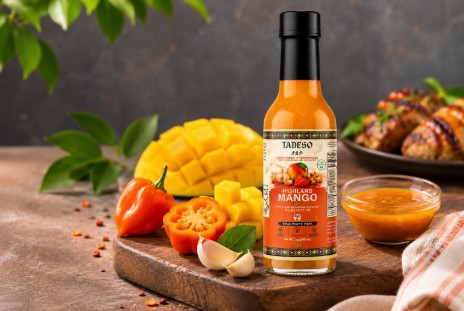
Some ingredients create a noticeable contrast when combined, yet their differences can produce a remarkably balanced flavour. Tropical fruit and hot peppers are a good example, bringing sweetness, acidity, and heat into a single preparation. Understanding how these ingredients interact helps explain why habanero mango sauce has become an interesting addition to modern cooking. Its flavour profile combines the natural sweetness of mango with the distinctive intensity of habanero peppers, creating a condiment that can complement several types of food without relying on heat alone.
Understanding the Flavour Combination
Mango and habanero peppers contribute different characteristics to a sauce. Ripe mango provides a naturally sweet, fruity base, while habanero peppers introduce substantial heat and a distinctive pepper flavour. When blended carefully, these ingredients create a contrast that makes each component more noticeable.
Mango contains natural sugars and organic acids, which contribute to its sweet and slightly tangy taste. Habaneros, meanwhile, contain capsaicin, the compound responsible for the burning sensation associated with chilli peppers. The combination produces more than a simple sweet-and-spicy flavour.
A well-balanced habanero mango sauce allows the fruit to remain identifiable while the pepper provides a lingering warmth. Vinegar, salt, and carefully selected seasonings can further influence the overall taste by adding acidity, enhancing flavour, and helping the ingredients blend consistently.
What Makes Mango Habanero Sauce Distinctive?
The relationship between fruit sweetness and chilli heat is central to this preparation. Unlike sauces made primarily from peppers and vinegar, fruit-based versions introduce additional flavour and texture.
The Role of Ripe Mango
Mango contributes sweetness, body, and a smooth consistency. Its natural sugars can soften the perception of chilli heat without removing capsaicin or making the preparation genuinely less spicy.
This is why mango habanero sauce can vary considerably between recipes. Some preparations emphasise tropical sweetness, while others create a sharper flavour with more noticeable pepper intensity.
Ingredients That Influence Sauce Quality
The overall character of a fruit-and-pepper condiment depends on more than its two main ingredients.
- Vinegar: Adds acidity and helps balance natural fruit sweetness.
- Sea salt: Enhances the perception of other flavours.
- Garlic: Introduces savoury depth.
- Ginger: Provides warmth and a slightly sharp aromatic note.
- Cayenne: Can contribute additional pepper intensity.
- Sugar: Adjusts sweetness when the fruit alone does not provide the desired balance.
Ingredient proportions are important because excessive sweetness can obscure the pepper’s character, while too much acidity may overpower the fruit.
The same principles apply when evaluating a premium hot sauce. Ingredient quality, consistency, flavour balance, and the relationship between heat and acidity all influence the finished product. A higher price alone does not establish superior quality; the actual formulation and ingredient information matter more.
Ways to Use Fruit-Based Chilli Sauces
The combination of fruit and heat makes this mango habanero sauce suitable for several cooking applications.
Grilled Meat and Seafood
A small amount can be brushed over chicken during the final stage of grilling or served alongside grilled fish. It can also complement shrimp, where fruity sweetness contrasts with savoury flavours.
Sandwiches and Wraps
Adding a little sauce to a sandwich introduces acidity, sweetness, and heat. It can work particularly well with roasted vegetables, grilled chicken, and savoury fillings.
Vegetable Preparations
Roasted sweet potatoes, cauliflower, and peppers provide natural sweetness that can complement fruity chilli condiments. A drizzle after roasting helps preserve the sauce’s distinct flavour.
Marinades and Dips
Combining the sauce with oil, citrus juice, or plain yoghurt creates different flavour profiles for marinades and dipping preparations. However, marinades used with raw poultry or meat should be handled safely and should not be served directly unless boiled appropriately.
Conclusion
Fruit-based chilli condiments demonstrate how contrasting ingredients can create a complex flavour without requiring an extensive ingredient list. Mango contributes sweetness and texture, while habanero peppers provide characteristic heat and aroma. Their versatility makes them suitable for grilled foods, vegetables, sandwiches, and marinades. For those interested in Ethiopian-inspired seasoning alongside tropical fruit and pepper combinations, Tadeso Hot Sauce offers an example of this culinary approach.