
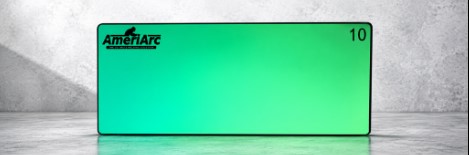
Every welder knows that the arc is brilliant and unforgiving. Without proper eye protection, just a few seconds of exposure can cause painful flash burns, and repeated exposure can lead to lasting damage. The right welding glass filters harmful ultraviolet and infrared radiation while letting you see the puddle clearly. This article explains how these lenses work, what shade numbers mean, and which features matter most, so beginners and experienced welders alike can choose protection that suits each specific job.
How Welding Lenses Protect Your Eyes From Intense Arc Radiation
Ultraviolet and Infrared Filtering Shields Your Eyes From Hidden Harm
The arc emits more than visible light. Ultraviolet radiation can burn the cornea, a condition often called arc eye, while infrared radiation adds heat that can strain tissue over time. A quality welding glass is built to filter both, which is why welders must wear a rated lens every time an arc is struck, even for a quick tack.
High Definition Lenses Reduce Glare and Distortion for Clearer Work
Optical quality is just as important as filtration. A high-definition lens reduces glare and distortion, so the weld pool, the joint edges,s and the surrounding metal appear sharper. Better clarity helps welders follow seams accurately and maintain consistent bead placement, and when choosing a welding glass, clear optics should rank alongside the shade number.
Industry Safety Standards Confirm That a Lens Meets Minimum Requirements
Look for lenses that meet recognized safety standards, such as the ANSI Z87.1 standard used in the United States for eye and face protection. Compliance means the lens has been tested for impact resistance and optical quality. Markings on the lens or packaging indicate certification, so check them before use rather than assuming any dark lens will protect you adequately.
Choosing the Correct Shade Number for the Welding Process You Use
Shade Numbers Describe How Dark a Lens Becomes Under the Arc
Shade numbers run from light to very dark, and a higher number blocks more light. Choosing the wrong one is risky, since too light a lens leaves the eyes exposed while too dark a lens hides the work. A welding glass in a mid-range shade suits many everyday tasks, with darker options reserved for higher amperage.
Process, Amperage and Personal Comfort All Influence the Right Choice
Recommended shades depend on the welding process and the current being used. Lenses in the shade 9 to 11 range are commonly chosen for MIG, TIG, stick, and plasma cutting applications, though charts published by safety organizations give specific guidance. Many welders keep a few shades on hand, and a flexible welding glass selection makes switching between jobs easier.
Lightweight Construction and Comfortable Fit Matter During Long Sessions
Welders often work for hours, so a lightweight lens and helmet combination reduces neck fatigue and keeps attention sharp. Secure mounting and a comfortable fit also prevent the constant adjusting that distracts from the weld. When a welding glass feels balanced and stable, concentration lasts longer, and mistakes become less likely.
Care, Inspection and Replacement Habits That Keep Eye Protection Reliable
Inspect Lenses Before Every Session for Cracks, Scratches and Spatter
A quick inspection takes seconds and can prevent serious injury. Look for cracks, deep scratches, pitting from spatter, and loose fittings. Any damaged lens should be removed from service immediately.
Cover Plates Take the Wear So the Main Lens Lasts Longer
Clear cover plates sit in front of the main lens and absorb spatter and scratches. They are inexpensive and easy to swap, so replacing them regularly protects the lens behind and keeps visibility consistent.
Proper Storage and Timely Replacement Preserve Both Safety and Clarity
Store lenses in a protected case away from heat, moisture, and loose tools. Replace any lens that is damaged, discolored,d or past the manufacturer’s recommended service life.
Conclusion
Good vision and good protection go hand in hand at the welding bench. By understanding radiation filtering, optical clarity, standards, ds and shade selection, you can match your equipment to the work. For many general tasks, a shade 10 welding glass offers a practical balance between visibility and safety, provided it suits your process and amperage. Inspect your gear regularly, follow published guidance, and never strike an arc without proper eye protection.