
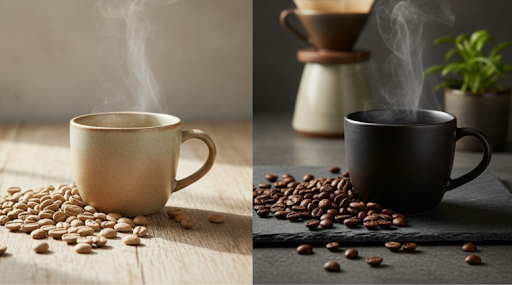
Coffee lovers often debate roast levels based on flavor, aroma, and caffeine content. But for health-conscious drinkers, another question rises to the top: which roast level produces cleaner, toxin-free coffee? Because coffee beans can accumulate mold, pesticides, and heat-generated compounds during processing, roast level plays a distinct role in determining the chemical profile of the final brew. Understanding how roasting affects purity and potential toxin levels can help coffee drinkers make more informed—and healthier—choices.
Why Coffee Can Contain Toxins in the First Place?
Before comparing roast levels, it’s important to understand where common coffee toxins originate.
Natural Mold and Mycotoxins
Coffee beans grow in humid climates where mold can develop on the fruit or during processing. Mycotoxins such as ochratoxin A are among the most monitored contaminants in coffee.
Pesticide Residues
Conventional coffee crops may be exposed to pesticides or chemical fertilizers. While most residues fall below regulatory limits, some consumers prefer additional purity standards.
Heat-Generated Compounds
During roasting, extremely high temperatures can create substances such as acrylamide. This compound forms naturally in roasted foods—but levels vary depending on roasting time and temperature.
Because of these factors, many consumers seek cleaner, more carefully sourced beans that better align with the idea of toxin-free coffee.
How Roasting Affects Potential Toxin Levels?
Roasting transforms the chemical structure of the coffee bean. But does darker roasting mean more toxins—or fewer?
Light Roasts: Lower Heat, Higher Acrylamide
Light roasts retain more of the bean’s natural flavors and higher acidity. However, they also tend to contain higher acrylamide levels, because acrylamide forms during the earliest roasting stage and breaks down as roasting continues.
Key characteristics:
- Higher acrylamide content
- Brighter flavor notes
- Slightly higher caffeine retention
- More natural compounds preserved
If your main goal is minimizing heat-created toxins, a light roast may not be the cleanest option.
Dark Roasts: Higher Heat, Lower Acrylamide
Dark roasts undergo longer, hotter roasting, which reduces acrylamide significantly. Many studies show acrylamide continues to degrade as the roast darkens.
However, higher heat may also:
- Break down beneficial antioxidants
- Increase bitter flavor development
- Potentially alter oil chemistry on the bean surface
Still, when considering heat-generated toxins alone, dark roasts have an advantage.
Which Roast Handles Mold-Related Toxins Better?
Mycotoxins, if present, break down during roasting—but not completely.
Light Roasts Preserve More Bean Compounds
Because light roasting uses lower temperatures, any remaining mold-related residues may not break down as effectively.
Dark Roasts Apply More Heat
Longer exposure to high heat can reduce certain mold-related compounds more effectively than lighter roasts. While roasting alone cannot eliminate all risk, dark roasting may lower the presence of heat-sensitive contaminants.
What Really Determines Whether Coffee Is “Toxin-Free”?
Roast level influences chemical changes, but the biggest factor is what happens before roasting.
Clean Growing and Processing Practices
Beans grown at high altitudes with good air flow, careful harvesting, and proper drying are far less likely to develop mold.
Rigorous Testing
Brands specializing in toxin-free coffee often test for:
- Mold and mycotoxins
- Pesticide residues
- Heavy metals
- Acrylamide levels
Testing matters far more than whether the roast is light or dark.
Freshness and Storage
Even clean beans can develop problems if stored in humid conditions. Airtight packaging and climate-controlled storage keep coffee purer over time.
Conclusion
Both light and dark roasts offer advantages, but neither guarantees completely toxin-free coffee. Light roasts retain more natural compounds but contain higher acrylamide, while dark roasts have lower acrylamide and break down some heat-sensitive contaminants more effectively. In reality, the biggest factor in coffee purity is sourcing—how the beans are grown, processed, stored, and tested.
For individuals interested in learning whether their coffee habits align with their wellness goals, taking a fun and informative health quiz can help identify what roast level, sourcing method, or brewing style best supports their lifestyle. With the right information, every cup can be both enjoyable and made with confidence.