
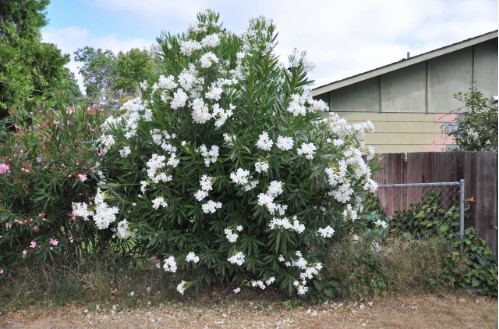
Warm climates present unique challenges for plants, including intense sunlight, limited rainfall, and high temperatures. Yet some species are naturally equipped to thrive under these conditions. In the middle of understanding climate-resilient landscaping, the white oleander tree stands out as a hardy and visually appealing option for warm and dry regions. Known for its evergreen foliage and elegant blooms, this tree has developed several adaptive traits that allow it to survive and flourish where other plants struggle.
By examining how the white oleander tree responds to heat, drought, and sun exposure, it becomes easier to understand why it is widely used in warm-climate landscapes.
Natural Heat Tolerance
One of the most notable adaptations of this tree is its ability to withstand prolonged heat.
Leaf Structure and Sun Resistance
The narrow, leathery leaves of the white oleander tree help reduce moisture loss. Their thick surface limits evaporation, allowing the plant to retain water even during extreme heat. This structure also protects the leaves from sunburn, making them well suited for full sun exposure.
Efficient Photosynthesis
The white oleander tree continues photosynthesis efficiently at higher temperatures, ensuring steady growth even during hot summer months when other plants may become dormant or stressed.
Drought Adaptation and Water Efficiency
Warm climates are often associated with limited or irregular rainfall.
Deep and Resilient Root System
A strong root system allows the white oleander tree to access moisture from deeper soil layers. This helps the tree survive extended dry periods without frequent watering.
Low Water Requirements
Once established, the white oleander tree requires minimal irrigation. This makes it an ideal choice for regions where water conservation is important or where drought conditions are common.
Adaptation to Poor Soil Conditions
Soil quality in warm regions can vary widely.
Tolerance to Different Soil Types
The white oleander tree can grow in sandy, rocky, or moderately poor soils. Its adaptability reduces the need for extensive soil amendments, making it practical for large landscapes and roadside plantings.
Salt and Pollution Resistance
In coastal or urban warm climates, soil salinity and air pollution can affect plant health. The white oleander tree shows resilience in these environments, maintaining growth and appearance despite challenging conditions.
Evergreen Growth for Year-Round Appeal
Consistent foliage is another key adaptation.
Year-Round Canopy Coverage
Unlike deciduous trees, the white oleander tree remains evergreen, providing shade and visual structure throughout the year. This constant coverage helps protect soil from direct sun exposure and reduces erosion.
Consistent Energy Storage
By retaining its leaves year-round, the white oleander tree can store and use energy efficiently, supporting continuous growth in warm climates without seasonal setbacks.
Flowering Adaptations in Warm Regions
Blooming successfully in heat requires specific traits.
Heat-Resistant Flower Production
The flowers of the white oleander tree are adapted to withstand high temperatures without rapid wilting. This allows extended blooming periods even during peak summer heat.
Pollination Support
Warm climates support active pollinators. The white oleander tree produces fragrant blooms that attract insects, supporting reproduction even in arid or semi-arid regions.
Low Maintenance Survival Strategies
Plants adapted to warm climates often require less care.
Natural Pest Resistance
The white oleander tree contains compounds that deter many pests, reducing the need for chemical treatments. This natural defense supports long-term survival in hot environments.
Minimal Pruning Needs
Its controlled growth pattern means the white oleander tree maintains shape without frequent pruning, conserving energy and reducing maintenance stress.
Conclusion
The white oleander tree demonstrates how natural adaptations such as heat tolerance, drought resistance, and evergreen growth make it highly suitable for warm climates. Plants for sale that offer this level of resilience and visual appeal are valuable for homeowners and landscapers seeking long-lasting solutions. By choosing climate-adapted species like this, landscapes can remain attractive, sustainable, and low-maintenance even under challenging environmental conditions.