
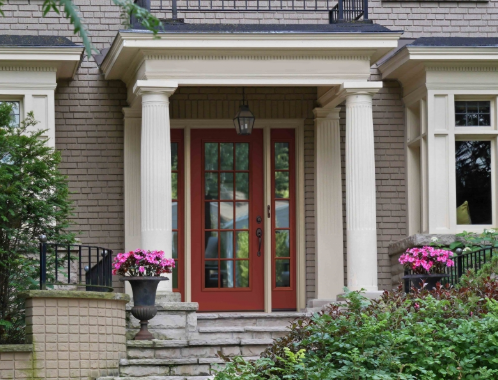
Choosing the right entry door is one of the most impactful decisions a homeowner can make, both for curb appeal and long-term durability. Today’s modern entry doors are more than functional barriers — they’re architectural elements that blend design, security, and energy efficiency. With innovations in materials, finishes, and customization options, homeowners now have countless ways to create an entryway that reflects their style while enhancing home performance. Understanding what today’s doors offer can help you make a confident, informed decision when upgrading your exterior.
Materials That Define Modern Entry Doors
Fiberglass for Versatility and Strength
Fiberglass has become one of the most popular materials for modern door construction. It stands out for mimicking natural wood grain while offering impressive durability. These doors resist warping, rotting, and swelling even in areas with extreme temperature changes. Plus, they require little maintenance — making them ideal for busy households.
Energy efficiency is another major benefit. Many fiberglass models feature insulated cores that help reduce heat transfer, resulting in lower energy bills and improved indoor comfort. Homeowners who want a combination of aesthetics and performance often find fiberglass a reliable choice.
Steel for Security and Contemporary Style
Steel remains a top option for those who prioritize security. Modern steel doors are far more advanced than older versions — they often feature insulated interiors, rust-resistant coatings, and sleek, minimalist designs that complement contemporary architecture.
Their smooth finishes pair well with bold colors, satin hardware, and clean geometric glass inserts. While they can dent more easily than fiberglass or wood, their structural strength and affordability make them a well-rounded option for homeowners looking to blend durability with style.
Wood for Natural Warmth and Luxury
For homeowners who want a rich, organic look, wood remains the gold standard. Modern wooden entry doors offer unmatched craftsmanship, allowing designers to incorporate intricate panels, oversized formats, and custom carvings.
Though wood requires more upkeep to protect against weathering, modern treatments and sealants make it significantly more resilient than it once was. For homes that emphasize warmth and character — especially contemporary craftsman, modern farmhouse, or transitional styles — wood remains a timeless option.
Design Trends in Modern Entry Doors
Clean Lines and Minimalist Aesthetics
Modern design leans heavily toward simplicity. Entry doors with flat panels, slim frames, and crisp edges create a refined look that complements many architectural styles. Minimalism also leaves room for dramatic accents like statement lighting or bold exterior colors.
Incorporating Glass Panels
Glass is a defining element of modern door design. Large or strategically placed glass panels allow natural light to flow into the entryway, creating a brighter and more welcoming interior. Frosted, tinted, or textured glass enhances privacy while maintaining a contemporary feel.
For homeowners who want a striking façade, oversized doors with full-length glass inserts or asymmetrical patterns create an eye-catching modern statement.
Bold and Oversized Door Styles
Another trend gaining popularity is oversized entry doors — often wider or taller than standard dimensions. These doors enhance visual impact, making the entrance feel grand and modern. Pivot doors, known for their unique movement mechanism, are also appearing more frequently in upscale home designs.
Customization Tips for Modern Entry Doors
Color and Finish Selection
When choosing custom finishes, consider how the door will complement the rest of your exterior. Deep charcoal, matte black, natural wood stain, and earthy tones are popular for modern styles. For a more distinctive look, jewel-toned accents like navy or forest green can elevate the entire façade.
Hardware That Enhances Function and Style
Modern hardware is typically sleek and understated — think straight handles, brushed metals, or matte black finishes. Smart locks and keyless entry systems are also becoming standard, adding both convenience and improved security.
Coordinating With the Home’s Architecture
To achieve a cohesive appearance, homeowners should align door design with architectural elements such as exterior trim, windows, and porch features. For example, pairing a minimalist door with modern grid-style windows can create a beautifully unified look.
Conclusion
Modern doors offer a blend of performance, aesthetics, and customization that helps homeowners create the perfect first impression. With materials like fiberglass, steel, and wood, and design choices ranging from minimalist to bold, today’s doors can suit nearly any architectural style. Whether upgrading for energy efficiency, security, or contemporary style, selecting the right materials and customization details is essential. For homeowners exploring options and seeking professional guidance, trusted window and door suppliers can offer expert recommendations to ensure the new entry door enhances both the home’s look and functionality.