
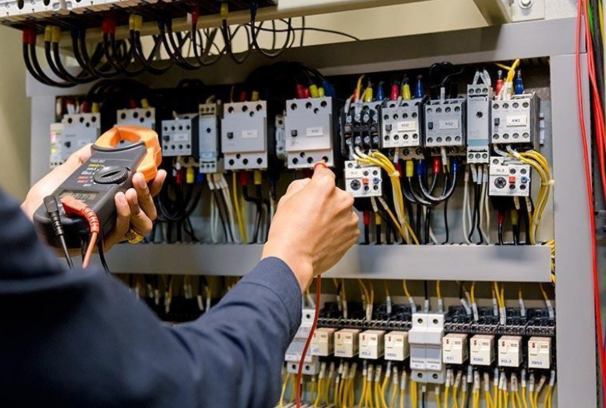
Your home’s electrical panel serves as the central hub that distributes electricity safely throughout the property. As modern households rely on more appliances, smart devices, and high-powered equipment, the electrical system experiences greater demand than ever before. Recognizing the early signs of panel problems can help prevent costly damage and reduce potential safety risks. Understanding when electric panel repair is necessary allows homeowners to address issues before they become major electrical hazards.
While some electrical issues can be resolved through targeted repairs, others may indicate the need for a more comprehensive solution. Common symptoms such as flickering lights, frequently tripped breakers, unusual noises, or burning odors should never be ignored, as they may signal underlying problems within the electrical panel. A licensed electrician can inspect the system, identify the root cause, and recommend whether electric panel repair or a complete panel replacement is the safest option.
Why the Electrical Panel Is So Important
The electrical panel controls how electricity is distributed throughout your home while protecting circuits from overloads and short circuits.
Its primary functions include:
- Distributing electricity safely
- Protecting circuits from overloads
- Managing circuit breakers
- Reducing fire risks
- Supporting modern electrical demands
A properly functioning panel ensures that every circuit operates safely while protecting appliances and electronic devices from electrical faults.
Common Signs You May Need Electric Panel Repair
Electrical panels often provide warning signs before a serious failure occurs.
Some of the most common indicators include:
- Breakers that trip repeatedly
- Flickering or dimming lights
- Burning smells near the panel
- Buzzing or crackling sounds
- Warm or discolored panel surfaces
- Outlets losing power unexpectedly
These symptoms may point to loose connections, overloaded circuits, worn breakers, or internal damage that requires professional evaluation.
What Causes Electrical Panel Problems?
Several factors can contribute to panel issues over time.
Common causes include:
- Aging electrical components
- Loose wiring connections
- Corrosion or moisture intrusion
- Increased household electrical demand
- Improper previous installations
- Faulty circuit breakers
As homes add new appliances and technology, older electrical systems may struggle to handle increased electrical loads.
Repair or Replacement?
Not every electrical problem requires replacing the entire panel. In many cases, a qualified electrician can repair individual components if the panel itself remains in good condition.
However, replacement may be recommended when:
- The panel is obsolete or unsafe.
- Internal bus bars are damaged.
- Significant corrosion is present.
- The existing service no longer meets the home’s electrical needs.
- Multiple components have failed.
A professional inspection helps determine the safest and most cost-effective solution.
Benefits of Prompt Repairs
Addressing electrical issues early offers several important advantages.
These include:
- Improved electrical safety
- Reduced fire risk
- More reliable power distribution
- Better protection for appliances
- Fewer unexpected outages
- Increased system efficiency
Timely repairs can also prevent minor issues from developing into expensive electrical emergencies.
Preventive Maintenance Tips
Although some electrical issues are unavoidable, homeowners can reduce potential problems through regular maintenance.
Helpful practices include:
- Schedule periodic electrical inspections.
- Avoid overloading circuits.
- Replace damaged outlets promptly.
- Pay attention to unusual panel noises or odors.
- Have new appliances professionally connected when necessary.
Routine inspections help identify developing problems before they affect the entire electrical system.
Planning for Future Electrical Needs
Many homeowners are adding electric vehicles, home offices, workshops, and energy-intensive appliances that increase overall electrical demand. Evaluating your home’s future requirements during an inspection can help determine whether your existing electrical system will continue to meet your needs.
Discussing long-term plans with a licensed electrician allows upgrades to be completed proactively rather than after capacity issues begin affecting daily life.
Conclusion
Knowing when to schedule electric panel repair can protect your home, improve electrical reliability, and reduce the risk of serious safety hazards. Paying attention to warning signs such as frequent breaker trips, flickering lights, unusual odors, or buzzing sounds allows problems to be addressed before they become more costly. For homeowners whose electrical demands continue to grow, a 200 Amp panel upgrade may also be recommended to provide additional capacity for modern appliances and future expansion. By working with a qualified electrician and performing regular inspections, you can ensure your electrical system remains safe, efficient, and prepared to support your household for years to come.