
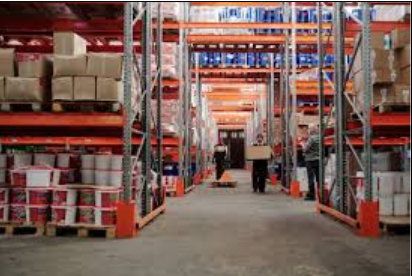
Packaging plays a critical role in industrial supply chains, especially in sectors dealing with heavy-duty components and precision engineering. Durable packaging is not just about protecting products during transit; it is about ensuring that machine parts reach their destination in perfect condition, without damage, corrosion, or contamination.
In the middle of industrial logistics, a durable packaging strategy becomes essential for every machine parts manufacturer, because even minor damage can affect performance, assembly efficiency, and operational safety.
What Is Durable Packaging in Industrial Use?
Durable packaging refers to high-strength, protective packaging systems designed to withstand rough handling, long-distance transportation, and storage conditions. In machine parts manufacturing, this includes packaging materials and methods that safeguard metal components, assemblies, and precision tools.
Common industrial packaging materials include:
- Corrugated heavy-duty boxes
- Wooden crates and pallets
- Anti-rust wrapping films
- Foam inserts and cushioning materials
- Vacuum-sealed protective covers
These materials are selected based on the weight, fragility, and sensitivity of the machine parts being shipped.
Why Durable Packaging Matters for Machine Parts Manufacturers?
A machine parts manufacturer deals with components that often have strict tolerance levels and precision requirements. Any physical damage during transportation can render parts unusable or require costly rework.
Durable packaging helps in:
- Preventing mechanical damage during shipping
- Protecting against moisture and corrosion
- Reducing vibration impact during transport
- Maintaining product integrity over long distances
Industry studies show that packaging failures contribute significantly to supply chain losses in manufacturing sectors, especially where high-precision parts are involved.
Types of Durable Packaging Used in Industry
Manufacturers use different packaging methods depending on the nature of the machine parts:
1. Wooden Crating Systems
Used for heavy and bulky machine components. These provide structural strength and impact resistance.
2. Corrugated Packaging
Multi-layered cardboard boxes designed for lightweight to medium-weight parts.
3. Anti-Corrosion Packaging
Includes rust-preventive paper, oils, and moisture barrier films used for metal components.
4. Foam and Cushion Packaging
Provides shock absorption for delicate precision parts.
5. Vacuum Sealed Packaging
Used for high-precision or sensitive components requiring airtight protection.
Each packaging type plays a role in ensuring that industrial goods remain in optimal condition until final assembly or use.
Role of Packaging in Supply Chain Efficiency
In modern manufacturing systems, packaging is not just a protective layer—it is part of logistics optimization. Efficient, durable packaging reduces handling damage, improves warehouse stacking, and ensures smoother transportation.
For a machine parts manufacturer, packaging efficiency directly impacts:
- Delivery timelines
- Customer satisfaction
- Product return rates
- Overall operational cost
Well-designed packaging systems also improve automation in warehouses, where machines handle sorting and dispatch.
Challenges in Industrial Packaging
Despite advancements, industrial packaging still faces challenges such as:
- Varying part sizes and shapes
- Long-distance international shipping conditions
- Exposure to humidity and temperature changes
- Handling during multiple transport stages
These challenges make it necessary for manufacturers to continuously improve packaging quality and material selection.
Innovations in Durable Packaging
Modern durable packaging is evolving with advanced materials and smarter engineering to improve protection and efficiency in logistics. Key innovations include eco-friendly packaging solutions that reduce environmental impact, smart tracking-enabled packaging for better shipment monitoring, improved moisture-resistant coatings for enhanced protection, and reusable industrial containers that support long-term cost savings. These advancements help a machine parts manufacturer reduce damage, improve sustainability, and ensure safer transportation of precision components.
Conclusion
Packaging is a crucial part of industrial manufacturing that directly affects product safety, performance, and customer satisfaction. For any machine parts manufacturer, investing in strong and reliable packaging systems is essential for efficient logistics, reduced losses, and long-term operational success. Durable packaging ensures that machine parts remain protected throughout the supply chain, reducing damage and maintaining quality standards.