
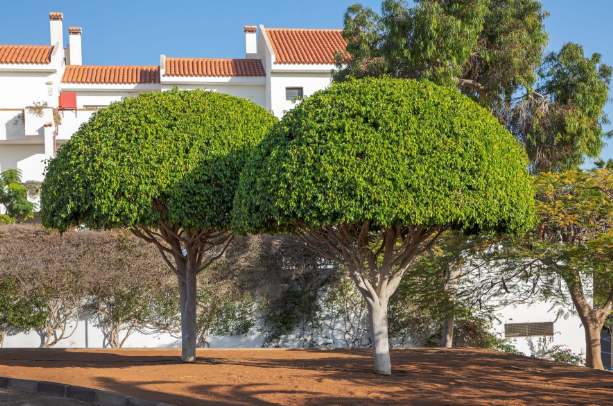
Creating a lush, private outdoor landscape requires selecting robust plant varieties that offer dense coverage and year-round aesthetic appeal. Modern residential and commercial property owners frequently choose the versatile Ficus Nitida tree to establish clean architectural boundaries and living privacy screens. Also widely recognized as the Indian Laurel Fig, this fast-growing evergreen species features glossy dark green foliage, upright branch angles, and an exceptionally dense canopy structure. Whether pruned strictly into formal column hedges or permitted to develop into broad shade canopy trees, incorporating high-quality specimens elevates overall property value while providing effective windbreaks and noise reduction across diverse landscape environments.
Growth Characteristics and Landscape Applications
Selecting appropriate evergreen varieties ensures reliable structural performance and minimal downtime during initial landscape establishment. Specimen trees maintain vibrant green foliage throughout all four seasons, enabling property owners to design clear property borders without experiencing seasonal leaf drop or bare branches.
Key Features of Indian Laurel Trees
- Dense Evergreen Canopy: Features thick, pointed, glossy green leaves that form tightly packed foliage layers for total visual screen privacy.
- Exceptional Pruning Tolerance: Withstands heavy shearing and frequent topiary shaping into formal tall hedge columns or box-cut borders.
- Adaptability to Sunlight Tiers: Thrives effortlessly in full sun environments to partial shade conditions across warm tropical and subtropical zones.
- Resilient Growth Habit: Exhibits fast growth characteristics and strong environmental tolerance against urban heat, smog, and varying soil pH levels.
Integrating healthy Ficus Nitida specimens into your property layout gives you complete spatial control while creating a clean, modern green backdrop for surrounding garden elements.
Planting Best Practices and Soil Requirements
Ground Preparation and Spacing Guidelines
Establishing healthy root systems begins with preparing well-draining soil mixed with organic amendments to support moisture penetration. When planting Ficus Nitida, position root balls slightly above ground level to prevent water accumulation around the trunk collar. Spacing plants three to five feet apart encourages a dense, interlocking privacy hedge as they mature.
Irrigation Schedules and Root Management
Newly planted container stock needs consistent, deep watering to encourage downward root establishment. Once established, Ficus Nitida trees demonstrate good drought tolerance, requiring moderate irrigation during prolonged dry periods. Maintaining suitable distances from pathways and masonry walls also helps manage root growth and reduces the risk of damage to nearby structures.
Pruning Routines and Ongoing Specimen Maintenance
Investing in structured maintenance practices prevents overgrown branching patterns and maintains crisp geometric lines across privacy screens. Shearing top growth regularly stimulates dense secondary branching, ensuring internal foliage remains thick from the soil line to the top canopy. Utilizing clean, sharp hedge trimmers minimizes leaf tearing, keeping edge foliage clean and vibrant following major trimming passes.
Monitoring internal branch structures promotes healthy airflow, reducing micro-climates where common pests like thrips or scale insects might collect. Applying gentle organic treatments during early spring protects fresh leaf buds without disrupting beneficial natural garden predators.
Sourcing Quality Landscape Stock for Outdoor Projects
Acquiring healthy, farm-grown nursery stock is essential for successful establishment and long-term plant growth. Selecting quality Ficus Nitida specimens with strong root systems and consistent sizing helps create a uniform, attractive hedge for residential and commercial landscaping projects. Choosing healthy plants suited to the local climate can also support better establishment after transplanting.
Proper site preparation and careful handling help minimize transplant shock following installation. Establishing consistent drip irrigation during the first growing season allows Nitida plants to adapt to their new surroundings and develop healthy roots.
Conclusion
Upgrading your outdoor living space with evergreen hedges creates natural privacy, attractive greenery, and well-defined landscape boundaries. Choosing healthy Nitida specimens can help establish a dense, appealing hedge with proper planting and ongoing care. For homeowners and landscapers looking to source quality plants for outdoor projects, Plant Clearance offers options to support garden transformations and landscaping plans.