
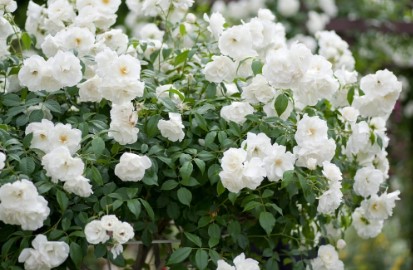
Few plants carry the same universal appeal as roses. Their combination of fragrance, color variety, and long blooming season has made rose bushes a staple in gardens for centuries, spanning everything from formal landscapes to casual backyard borders. Whether you’re planning your first garden bed or looking to expand an existing collection, understanding the basics of selecting, planting, and maintaining these plants can make a significant difference in how well they thrive.
Choosing the Right Type
Not all roses are created equal when it comes to growth habit and maintenance needs. Hybrid tea roses are known for producing large, single blooms on long stems, making them popular for cut flowers, though they generally require more attentive care. Floribunda roses produce clusters of smaller blooms and tend to be more disease-resistant, making them a practical choice for gardeners who want reliable color without extensive upkeep. Climbing varieties are suited for trellises, fences, or archways, while shrub roses, including many modern landscape varieties, are often bred specifically for hardiness and lower maintenance requirements. Choosing the right type largely depends on the space available, the amount of care you’re willing to invest, and the visual effect you want to achieve.
Site Selection and Soil Preparation
Roses generally perform best in locations that receive at least six hours of direct sunlight daily, as insufficient light can lead to weak growth and reduced flowering. Well-draining soil is equally important, since roses are susceptible to root rot in areas where water tends to pool. Amending soil with organic matter such as compost before planting helps improve both drainage and nutrient availability, giving new plants a stronger foundation for root development.
Planting Basics
Timing matters when it comes to planting rose bushes, with early spring or fall generally considered the best windows in most climates, as these periods allow roots to establish before the stress of summer heat or winter cold sets in. When planting, the hole should be wide enough to accommodate the root system without cramping, and the graft union, if present, should typically be positioned according to regional climate recommendations, as this can affect winter hardiness in colder zones.
Watering and Feeding
Consistent watering is important, particularly during the first growing season while roots are still becoming established. Deep, infrequent watering tends to encourage stronger root systems compared to frequent shallow watering. Once established, most roses benefit from regular feeding during the growing season, typically using a balanced fertilizer formulated for flowering plants, which supports both foliage health and bloom production.
Pruning and Maintenance
Pruning plays a significant role in the long-term health and appearance of rose bushes. Removing dead, damaged, or crossing branches improves air circulation, which helps reduce the risk of fungal diseases such as black spot or powdery mildew. Most pruning is done in late winter or early spring before new growth begins, though deadheading spent blooms throughout the growing season encourages continued flowering.
Common Pests and Diseases
Like many flowering plants, roses can be susceptible to aphids, spider mites, and Japanese beetles, along with fungal issues related to excess moisture or poor air circulation. Regular inspection allows for early intervention, whether through manual removal, targeted treatments, or adjusting watering practices to reduce conditions that favor disease development.
Seasonal Considerations
In colder climates, winter protection may be necessary depending on the variety and hardiness zone, with mulching around the base helping to insulate roots from extreme temperature fluctuations. In warmer regions, roses may bloom for a longer portion of the year, though consistent maintenance remains important to sustain healthy growth throughout an extended season.
Final Thoughts
With the right combination of sunlight, soil preparation, and consistent care, rose bushes can provide months of color and fragrance in nearly any garden setting. For those looking to diversify their landscape further, pairing roses with other flowering shrubs can create a layered, dynamic garden that offers visual interest across different bloom periods and growth habits throughout the year.