
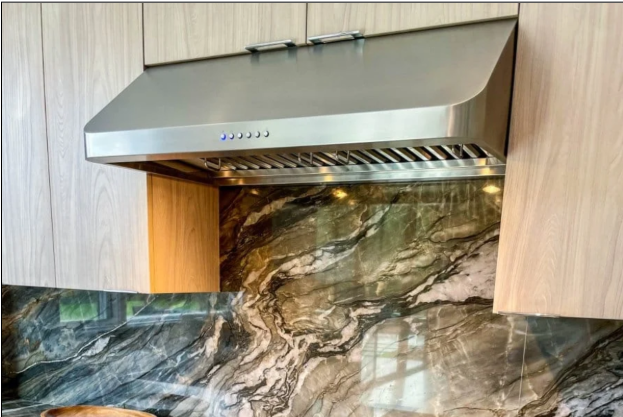
A kitchen hood rarely gets the attention given to countertops or cabinets, yet it quietly decides how comfortable the room feels. Without proper ventilation, grease, steam, and cooking odors settle on surfaces and linger in the air. When wall space is limited or the layout already includes upper storage, a stainless under-cabinet range hood offers a practical solution because it mounts beneath existing cabinetry and captures fumes directly above the cooktop. It saves space, suits both small and large kitchens, and keeps the look tidy. Homeowners planning a remodel or a simple replacement often feel unsure about size, airflow, and finish. Getting these details right early saves money and avoids disappointment after the unit is installed. This article explains why the material matters, how to match performance to your cooktop, and what to check before installation.
Why Stainless Steel Works in Kitchens
Stainless steel remains the most common finish for ventilation hardware, and the reasons are practical. It resists heat, moisture, and corrosion, which are constant challenges near a stove. The surface does not chip like painted metal, and it handles repeated cleaning without losing its look. Grades matter, though. Types 304 and 430 are widely used, with 304 offering stronger resistance to rust and staining, while 430 is magnetic and usually more affordable. Gauge, or thickness, also plays a role, since thicker steel dents less and dampens vibration. A well-built stainless under-cabinet range hood pairs that durable shell with baffle or mesh filters that trap grease before it reaches the ductwork. Baffle filters are often dishwasher safe and perform well with high-heat cooking, while mesh filters suit lighter use but need more frequent cleaning. Brushed finishes hide fingerprints better than mirror finishes, and they blend easily with appliances. Wiping along the grain with a soft cloth and mild soap keeps the surface looking fresh. Avoid abrasive pads and harsh chemical cleaners, which can scratch the finish or leave streaks. Regular filter cleaning, roughly once a month for frequent cooks, protects airflow and reduces fire risk from grease buildup.
Sizing, Airflow, and Noise Explained
Performance is measured mainly by airflow, expressed in cubic feet per minute, or CFM. A common guideline is to match roughly 100 CFM for every 10,000 BTUs of gas cooktop output, while electric cooktops often do well with about 100 CFM for each 10 inches of width. Heavy searing, wok cooking, and grilling call for higher capacity. Width matters as well, because the hood should be at least as wide as the cooktop, and slightly wider performs better at catching escaping steam. Mounting height is usually 24 to 30 inches above the cooking surface, though manufacturer instructions should always take priority. When comparing a stainless under-cabinet range hood, check the sone rating too, since lower numbers mean quieter operation. Variable fan speeds, bright LED lighting, and easy-reach controls improve everyday use. Ducted models vent outside and remove heat, moisture, and odors completely, while ductless versions recirculate air through charcoal filters that need periodic replacement. Ducted systems are generally more effective, but ductless options help in apartments or kitchens where exterior venting is impossible. Duct length and the number of elbows reduce airflow, so a short, straight run is best. Local building codes may also affect makeup air requirements for powerful units, so confirming them in advance avoids surprises.
Conclusion
Choosing the right ventilation comes down to matching the hood to how you cook, the layout of your kitchen, and the finish you want to live with every day. Measure the cooktop, decide between ducted and ductless, and review noise and lighting before comparing models. Readers who want a broader look at finishes, grades, and styles can explore the ultimate guide to stainless steel range hoods for more background. Professional installation is worth considering when ductwork or wiring changes are involved. Comparing warranties and filter replacement costs also helps estimate long-term ownership expenses. Careful planning and regular cleaning keep any stainless under-cabinet range hood performing well for years, protecting indoor air quality while adding a clean, polished look to the kitchen.