
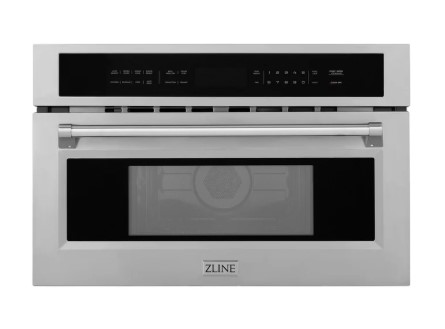
The cooking appliances selected for a kitchen influence how the space functions, how meals are prepared, and how the overall design comes together. High-end cooking appliances can include ranges, rangetops, cooktops, wall ovens, and microwaves, giving homeowners several ways to build a cooking setup around their space and routines. Instead of focusing only on appearance, it is useful to compare appliance configuration, fuel type, dimensions, oven capacity, controls, and installation requirements before making a decision.
Start With the Right Cooking Configuration
High-end cooking appliances involve identifying how the cooking area should be arranged. A range combines a cooktop and oven in one appliance, while a rangetop or cooktop provides the cooking surface separately. A wall oven can then be installed within cabinetry to create a more customized arrangement.
A range can be practical for kitchens where the cooking surface and oven need to occupy the same location. Separate cooktops and wall ovens, on the other hand, can provide greater flexibility when designing the kitchen around cabinetry and workflow.
Compare Gas, Dual-Fuel, and Induction Options
Fuel type can significantly influence the cooking setup. The collection includes gas/gas and gas/electric configurations, as well as induction models.
Dual-fuel ranges combine a gas cooktop with an electric oven. This configuration can appeal to homeowners who prefer gas burners while wanting an electric oven. Gas ranges use gas for both the cooking surface and oven, while induction uses electromagnetic technology to heat compatible cookware.
The right option depends on cooking preferences, available utility connections, cookware, kitchen design, and installation requirements.
Consider the Number of Burners
Burner capacity is another factor to consider when comparing cooking appliances. A household that frequently prepares several dishes at the same time may have different requirements from someone who generally cooks smaller meals.
The current collection includes models with four, six, seven, and eight burners.
High-end cooking appliances can provide additional cooking positions, but they also require more counter or range space. The number of burners should therefore be considered alongside the overall width of the appliance and the available kitchen area.
Think About Oven Capacity and Configuration
Oven capacity becomes particularly important when preparing multiple dishes or larger meals. Some ranges in the collection feature single ovens, while others have double-oven configurations.
A double-oven range can allow different dishes to be cooked at separate temperatures at the same time. This may be useful for households that regularly prepare several components of a meal simultaneously.
The collection includes large-format models, including 48-inch ranges with dual ovens, as well as smaller 30- and 36-inch configurations.
Evaluate Rangetops and Cooktops Separately
Smart cooking appliances can be useful when the kitchen design calls for an independent oven. This arrangement allows the cooking surface and oven to be positioned according to the room’s cabinetry and workflow.
The collection includes gas rangetops with configurations reaching up to eight burners, along with gas and induction cooktops in different sizes.
This approach can also create more flexibility for homeowners who want a wall oven installed at a convenient height instead of using an oven positioned below the cooking surface.
Consider Wall Ovens for Built-In Designs
Wall ovens are another option for customized kitchen layouts. Rather than occupying the same appliance footprint as a cooktop, a wall oven is integrated into cabinetry, leaving the countertop arrangement separate.
High-end cooking appliances include built-in wall oven options, including a 24-inch wall oven offered as a set with a matching built-in microwave.
This configuration can help create a coordinated appearance while allowing the cooking surface and oven to serve different areas of the kitchen.
Pay Attention to Size and Kitchen Space
Premium cooking appliances should always be evaluated before selecting a model. The collection includes cooking appliances in sizes ranging from 24 to 60 inches, with 30-, 36-, and 48-inch options also represented.
A wider appliance may provide additional burners, oven capacity, or cooking space, but it also requires a larger installation area. Cabinet openings, ventilation requirements, clearance, electrical or gas connections, and surrounding countertop dimensions should be checked against the manufacturer’s specifications.
Coordinate Finishes With the Kitchen
Cooking appliances can become a major visual element, particularly in open-plan kitchens. The collection includes finishes such as stainless steel, satin stainless steel, black stainless steel, and different door and accent combinations.
Accent options include champagne bronze, polished gold, matte black, and other finishes. These details can be coordinated with cabinet hardware, lighting fixtures, faucets, and other appliances to create a consistent design.
Look at Supporting Cooking Appliances
A complete cooking setup often includes more than a range or oven. Microwaves, microwave drawers, and other built-in appliances can complement the primary cooking equipment.
Considering these appliances at the same time can help maintain consistent dimensions, finishes, and placement throughout the kitchen.
Conclusion
Selecting cooking appliances requires a balance between kitchen layout, cooking habits, available space, fuel type, capacity, and design preferences. Reviewing product specifications and installation requirements carefully can help homeowners create a functional cooking area with options available from Smart Home Luxury. Ranges provide an integrated solution, while separate cooktops, rangetops, and wall ovens offer greater flexibility for customized layouts. The range available today also makes it possible to coordinate finishes, sizes, burner configurations, and oven arrangements with the rest of the kitchen.