
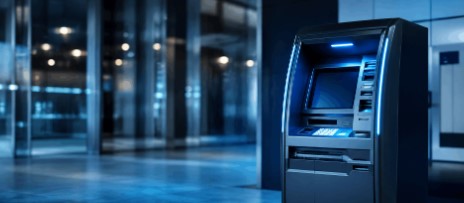
Buying equipment that dispenses cash is a business decision as much as a hardware purchase. Several factors decide whether a machine earns steadily or becomes a maintenance burden. This guide covers what to evaluate when comparing an ATM cash machine for sale, from model tiers to connectivity and upkeep.
Understanding Model Tiers
Retail cash machines generally fall into three tiers. Entry-level units cost the least and suit low-traffic indoor spots such as small shops. Mid-range units add stronger hardware and are common in convenience stores and restaurants. High-capacity models carry larger cash cassettes and heavier components for busy venues.
Current listings show how wide the spread is. Retail units commonly run from roughly $2,000 to $3,700, while advanced high-capacity models can reach $6,500 to $9,000. Anyone browsing an ATM cash machine for sale should match the tier to expected daily withdrawals instead of buying the biggest unit available.
Configuration Variants
Some manufacturers sell the same base model in several configurations. A standard unit, a wall-mount version, and a shell-only version may share a core design but differ in price.
New Versus Used Machines
Pre-owned units cost noticeably less, and some listings are under $1,000. Refurbished machines can work well when they have been inspected and re-listed by a reputable seller. The trade-off is a shorter remaining service life and, in many cases, no manufacturer warranty.
New retail units often include a manufacturer’s parts warranty of about two years, counted from the shipment date. When comparing a new or used ATM cash machine for sale, buyers should ask about warranty terms, software version, and the condition of the dispenser and card reader.
Features Worth Comparing
Specifications decide how a machine performs day to day. Key points include:
- EMV chip reader and contactless support
- Encrypted PIN pad and electronic lock
- Cash cassette capacity
- Receipt printer type
- Software update options
Security features deserve extra attention. Optional anti-skimming protection and software monitoring add layers against fraud, particularly in unattended public areas.
Connectivity Choices
A cash machine must communicate with banking networks to approve each withdrawal. That requires a secure internet link, either broadband Ethernet or a cellular modem. Locations without reliable wired service often rely on cellular connectivity, so confirming modem compatibility before purchase avoids delays.
Pricing also reflects condition, generation, and hardware, so a lower figure on any ATM cash machine for sale deserves a closer look at what is included.
Setup and Operating Needs
Buying the hardware is only the first step. Operators in the United States must be registered with or sponsored by a licensed Independent Sales Organization to connect to the networks. Location requirements are modest: a grounded power outlet nearby, a stable connection, and a site that meets accessibility rules.
Cash loading is the main recurring task. Single-location retailers often load about $1,000 to $2,000 at a time, while operators who place machines in other businesses commonly load $5,000 to $10,000 weekly. A well-chosen ATM cash machine for sale should have cassette capacity that fits this routine.
Maintenance Expectations
Upkeep keeps a machine earning. Software updates are usually needed once a year, the dispenser path benefits from cleaning once or twice annually, and receipt paper must be replaced whenever it runs out. Semiannual preventive inspections are a common recommendation, and good maintenance can greatly extend the machine’s lifespan.
Choosing the Right Seller
The seller matters nearly as much as the model. Reliable sellers publish clear pricing, describe condition honestly, and provide support after delivery. They should also explain installation, processing registration, and service options before the sale rather than after it.
Buyers can use a short checklist:
- Is the price listed for each model and condition?
- Does the seller handle delivery and setup?
- Are processing and service available from the same source?
- What warranty applies to new and used units?
Comparing at least three listings of an ATM cash machine for sale provides a realistic sense of market pricing. It also reveals which sellers explain specifications openly.
Conclusion
A smart purchase balances location traffic, budget, security features, connectivity, and long-term support. Buyers who want a registered ISO with more than 28 years of experience, a broad selection of new and used models, and installation and service under one roof can rely on Best Products Sales & Service inc. for dependable guidance from purchase to daily operation. Matching the machine to the location is what keeps returns steady.