
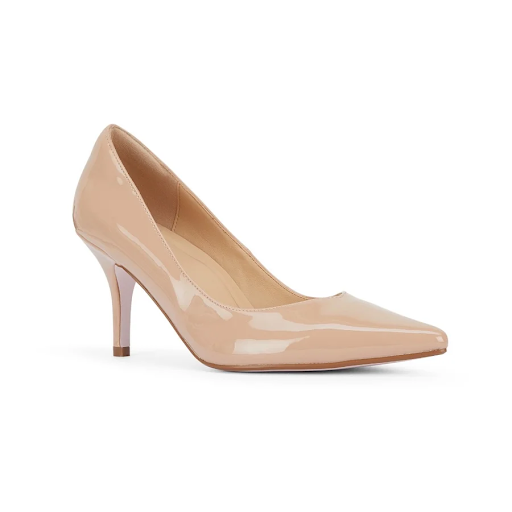
Heels can add elegance to an outfit, but their design also influences how comfortably someone can walk or stand throughout the day. The right pair should offer a balance of style, fit, and support rather than focusing on appearance alone. When choosing comfortable heels for women, factors such as heel height, sole construction, toe space and cushioning deserve careful attention. These details can affect weight distribution, stability, and pressure on the feet. Those comparing contemporary footwear designs may also visit Malow London to shop comfortable heels. Understanding what makes a heel suitable for different activities can help women make informed footwear choices and enjoy wearing heels with greater confidence.
Why Does Heel Design Matter?
Heel height changes how body weight is distributed across the feet. As the heel rises, more pressure moves towards the forefoot, particularly the ball of the foot. This can cause discomfort when standing or walking for long periods.
Heel width affects stability: a wider base, as found on block heels, can make balancing easier than a narrow stiletto.
The angle between the heel and the front of the shoe matters too. A steep incline can place additional strain on the toes and forefoot. A moderate heel may make everyday movement more manageable.
Features to Look for When Choosing Heels
Consider these practical details before choosing a pair.
- Suitable Heel Height
Higher heels shift more body weight forward, while lower heels generally create less pressure at the front of the foot. When comparing comfortable heels for women, choose a height that feels manageable for your activities rather than focusing on appearance alone.
- Adequate Toe Space
The front of a shoe should leave enough room for the toes to move naturally. Narrow or pointed toe boxes can squeeze them together, causing rubbing and pressure. Ideally, leave around 1 cm between the longest toe and the end of the shoe.
- Supportive Insoles
Cushioning can make walking on hard surfaces more comfortable by reducing pressure on sensitive areas. Padding alone does not guarantee support; the shoe should still feel stable underfoot.
- Secure Fastenings and Proper Fit
Straps and buckles help keep the foot in position. Without adequate support, it may slide forward and increase pressure on the toes. The heel should fit without slipping or rubbing against the back of the shoe. Check these details before wearing heels for several hours.
Heel Styles for Different Occasions
When comparing comfortable heels for women, consider the occasion, walking distance, and surface to find a design that offers the right balance of stability, fit, and practicality.
- Block heels: A wider base can offer greater stability when standing.
- Kitten heels: Their lower height provides a subtle lift without a steep angle.
- Wedge heels: A continuous sole creates a broader supporting surface than a narrow heel.
- Platform heels: A raised front sole can reduce the height difference between the heel and forefoot, although fit remains important.
- Slingback heels: A rear strap helps hold the shoe in place when adjusted correctly.
Simple Ways to Improve Comfort
Try shoes on towards the end of the day, when feet may be slightly larger. Walk around to check for slipping, pinching or pressure points.
Choose footwear that feels comfortable from the beginning instead of relying on a long breaking-in period. Smooth internal finishes can help minimise friction.
For occasions involving extensive walking, consider carrying flat shoes as an alternative. Alternating footwear styles gives the feet a break from repeated pressure.
When checking a shoe, look at its construction as a whole rather than judging one feature in isolation. A cushioned footbed cannot compensate for a poor fit, and a stable heel will not help if the toes are cramped. If a pair causes persistent pain, stop wearing it and consider advice from a foot-care professional.
Conclusion
Choosing heels involves balancing appearance, fit and support. Heel height, toe space, cushioning and stability all influence how footwear feels during everyday activities. Considering these details can help women make informed choices and avoid unnecessary discomfort. Ultimately, a suitable pair should complement an outfit while allowing the feet to feel secure and comfortable.