
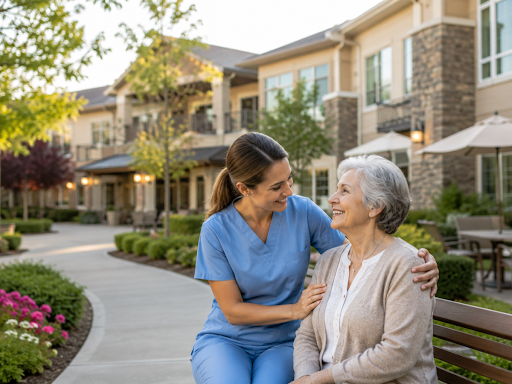
Choosing the right care option for aging adults is one of the most important and emotional decisions families can make. With a growing senior population, the demand for safe, supportive, and well-structured housing options has increased significantly. One of the most commonly selected options is assisted living in San Jose, CA, which provides a balance between independent living and access to daily support services. Understanding how these communities work and what alternatives exist, such as continuing care models, can help families make informed long-term decisions.
What Is Assisted Living?
Assisted living refers to residential communities designed for seniors who need help with daily activities but do not require full-time medical care. These communities provide a combination of housing, personal care services, and social engagement in a safe environment.
Residents typically receive assistance with:
- Bathing and dressing
- Medication management
- Meal preparation
- Housekeeping
- Transportation services
At the same time, residents maintain a level of independence, often living in private or semi-private apartments within a shared community setting.
Why Assisted Living Is Growing in San Jose, CA
San Jose is part of a region experiencing rapid demographic aging alongside rising healthcare and housing needs. As a result, assisted living communities have become an important option for families who need structured support without transitioning immediately to skilled nursing care.
Key reasons for increasing demand include:
Aging Population
More seniors are living longer, often requiring assistance during later stages of life while still maintaining independence.
Safety and Supervision
Assisted living communities provide 24-hour staff availability, improving safety for residents who may be at risk of falls or medical emergencies.
Social Engagement
Isolation is a major concern for seniors living alone. Assisted living environments provide structured activities, group dining, and community interaction that support mental well-being.
Access to Care Services
Many communities offer access to healthcare coordination, therapy services, and wellness programs that help residents maintain quality of life.
Services Typically Included in Assisted Living
Most assisted living communities in San Jose offer a combination of housing and supportive services designed to meet daily needs.
These commonly include:
- Private or shared apartments
- Daily meals and nutrition planning
- Housekeeping and laundry services
- Personal care assistance
- Emergency response systems
- Recreational and wellness programs
Some communities may also offer memory care units or specialized support for residents with cognitive conditions such as dementia.
Understanding CCRC in California
While assisted living is a strong option for many families, some individuals prefer long-term stability through a broader care model known as Continuing Care Retirement Communities (CCRCs).
A CCRC California model provides a full spectrum of care on a single campus, typically including:
- Independent living
- Assisted living
- Memory care
- Skilled nursing care
This structure allows residents to transition between care levels as their needs change, without relocating to a different facility. CCRCs are often chosen by individuals planning for long-term aging security and continuity of care.
Assisted Living vs. CCRC: Key Differences
Understanding the difference between assisted living and CCRCs helps families choose the right care pathway.
Assisted Living
- Focuses on current daily support needs
- More flexible entry requirements
- Typically lower upfront cost compared to CCRCs
- Best for seniors needing moderate assistance
CCRC California Model
- Long-term continuum of care in one location
- Higher financial commitment, often including entrance fees and monthly costs
- Ideal for individuals planning for future health transitions
- Provides stability without relocation between care levels
How to Choose the Right Assisted Living Community
Selecting the right facility involves evaluating multiple factors beyond cost alone.
Important considerations include:
Level of Care Provided
Ensure the community can meet current needs and potentially accommodate future care requirements.
Staff Availability and Training
Qualified staff and appropriate caregiver-to-resident ratios are essential for safety and quality care.
Facility Environment
Cleanliness, safety features, and overall atmosphere contribute significantly to resident comfort.
Activities and Social Programs
Engagement opportunities help maintain cognitive health and emotional well-being.
Licensing and Compliance
Always verify that the facility is properly licensed and meets California regulatory standards.
Financial Considerations
Costs for assisted living vary depending on location, services, and accommodation type. Families should carefully review:
- Monthly fees
- Additional care charges
- Medication or therapy costs
- Contract terms and refund policies
Planning ahead can help avoid unexpected financial strain, especially when long-term care needs increase.
Conclusion
Understanding assisted living in San Jose, CA is essential for families planning senior care options that balance independence, safety, and support. These communities provide structured living environments designed to improve quality of life while addressing daily care needs. For individuals seeking long-term stability and a full continuum of care, exploring a CCRC California option may also be beneficial, as it offers multiple levels of care within a single community. By carefully evaluating care needs, financial considerations, and future health planning, families can make informed decisions that ensure comfort, dignity, and security for their loved ones.