
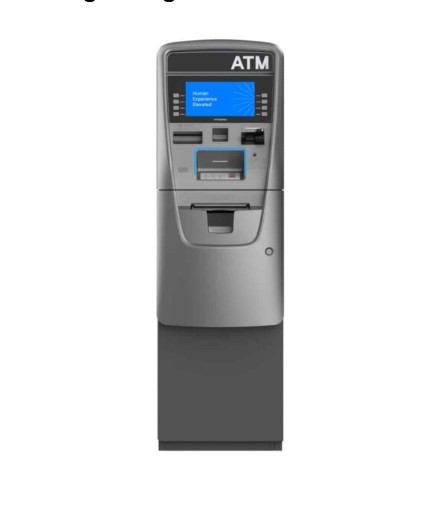
Managing an ATM network involves much more than installing machines and ensuring they dispense cash. Financial institutions must handle software updates, security compliance, cash management, hardware maintenance, transaction monitoring, and regulatory requirements. These responsibilities can consume significant time, resources, and operational budgets, making ATM management increasingly complex.
This is why many banks, credit unions, and financial institutions are turning to ATM outsourcing as a practical solution. By partnering with specialized service providers, organizations can streamline operations, reduce maintenance responsibilities, and improve ATM performance without sacrificing customer convenience. Industry trends show that outsourcing ATM operations helps institutions improve efficiency while allowing internal teams to focus on core banking services.
What Is ATM Outsourcing?
ATM outsourcing is a service model in which a third-party provider manages some or all aspects of an organization’s ATM operations. Depending on business requirements, outsourced services may include:
- ATM installation
- Hardware maintenance
- Software updates
- Cash replenishment
- Remote monitoring
- Security management
- Regulatory compliance
- Performance reporting
Instead of coordinating multiple vendors and internal teams, businesses work with a single service provider responsible for maintaining ATM availability and operational efficiency.
Why Financial Institutions Choose ATM Outsourcing
Managing an ATM network internally often requires dedicated technical staff, vendor coordination, compliance expertise, and ongoing infrastructure investments.
Organizations adopting ATM outsourcing frequently experience several operational benefits:
- Lower operational costs
- Predictable monthly expenses
- Improved ATM uptime
- Reduced administrative workload
- Faster technical support
- Better customer experience
- Easier scalability
These advantages allow institutions to improve service quality while simplifying day-to-day operations.
Reduced Operational Complexity
Operating ATMs involves continuous monitoring and maintenance. Service interruptions can affect customer satisfaction and increase operational costs.
A professional ATM outsourcing provider typically manages:
Technical Maintenance
Routine servicing helps minimize downtime while extending the operational life of ATM equipment.
Software Management
Regular software updates ensure ATMs remain secure, compatible with network requirements, and compliant with evolving industry standards.
Security Compliance
Providers help maintain security protocols through software patches, encryption updates, fraud prevention measures, and compliance monitoring.
These services reduce the burden on internal IT and operations teams while supporting uninterrupted ATM availability.
Improved Customer Experience
Customers expect ATMs to be available whenever they need access to cash or account services.
A well-managed outsourced ATM network helps deliver:
- Faster transaction processing
- Higher machine availability
- Reduced downtime
- Reliable cash availability
- Improved transaction security
Consistent ATM performance contributes to greater customer satisfaction and trust in financial services.
Cost Efficiency and Budget Predictability
One of the primary reasons organizations adopt ATM outsourcing is improved financial planning.
Instead of managing unpredictable repair costs, software upgrades, and maintenance contracts, outsourcing often converts ATM operations into more predictable service expenses.
Institutions can also avoid the complexities associated with maintaining large internal ATM support teams while benefiting from specialized expertise.
Scalability for Growing Networks
As organizations expand into new locations, ATM requirements often increase.
A scalable outsourcing model allows businesses to:
- Add new ATM locations
- Upgrade aging equipment
- Relocate existing machines
- Expand service coverage
- Improve operational consistency
This flexibility supports long-term growth without requiring significant internal resource expansion.
Businesses considering expansion may also evaluate whether to outsource ATM operations as part of a broader strategy to improve efficiency and reduce operational complexity.
Technology Driving Modern ATM Management
ATM technology continues to evolve alongside customer expectations.
Modern outsourced ATM programs often include:
- Real-time monitoring
- Remote diagnostics
- Predictive maintenance
- Cash forecasting
- Advanced fraud detection
- Automated reporting
- Performance analytics
These technologies improve service reliability while reducing manual intervention.
Recent banking trends also show increasing adoption of cash recycler ATMs, helping financial institutions improve cash availability while lowering operational costs.
Common Challenges Solved by ATM Outsourcing
Organizations frequently encounter several challenges when managing ATM networks internally:
- Multiple vendor coordination
- Unexpected maintenance costs
- Compliance management
- Equipment downtime
- Software update scheduling
- Cash logistics
- Technical staffing requirements
A comprehensive outsourcing strategy addresses these issues through centralized management and specialized operational support.
Choosing the Right ATM Outsourcing Partner
Selecting an experienced provider is essential for maintaining reliable ATM operations.
Important evaluation factors include:
- Industry experience
- Nationwide service coverage
- Security expertise
- Regulatory compliance support
- Technical response times
- Reporting capabilities
- Scalability options
Working with a qualified provider helps ensure long-term operational stability and customer satisfaction.
Conclusion
As ATM networks become more technologically advanced, managing them internally requires increasing investments in expertise, maintenance, and compliance. ATM outsourcing offers financial institutions a practical way to improve operational efficiency, reduce costs, and maintain reliable customer service while allowing internal teams to focus on strategic priorities. For organizations evaluating long-term ATM strategies, deciding to buy ATM machine solutions should also include assessing whether outsourced management can deliver greater efficiency, stronger security, and more predictable operational performance.