
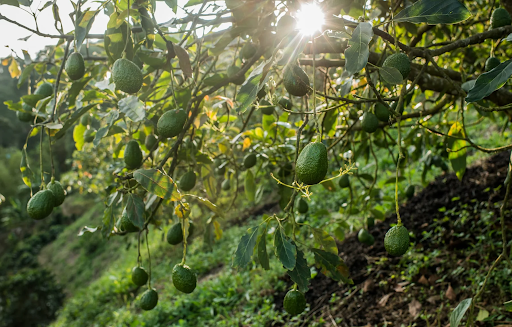
Few fruits inspire as much backyard ambition as the avocado, and in the right climate, a home-grown avocado tree delivers harvests that surpass anything available at the grocery store in flavor and freshness. The challenge is that avocados are genuinely climate-specific. Understanding your zone and choosing the right variety is what separates growers who enjoy abundant results from those who nurse a struggling tree for years without reward.
Which US Climates Support an Avocado Tree?
Avocados grow outdoors year-round in USDA zones 9b through 11, covering coastal and inland Southern California, southern Florida, Hawaii, and parts of the Gulf Coast. Hass — the variety that dominates commercial production — is relatively frost-sensitive. Cold-tolerant varieties like Mexicola and Lula handle brief dips below 30 degrees Fahrenheit with much better survival, making them the practical choice for gardeners on the edge of avocado-growing territory.
Type A and Type B Pollination Explained
Avocado trees are classified as Type A or Type B based on when their flowers open and release pollen. Planting one of each type maximizes cross-pollination and can significantly increase fruit set. The most productive home orchards typically include:
- A Type A variety such as Hass, Pinkerton, or Reed.
- A Type B variety such as Fuerte, Bacon, or Zutano planted within range.
- Both trees in full sun with good spacing to allow airflow between canopies.
- A grafted specimen from a reputable nursery rather than a seedling grown from a pit.
Drainage: The Single Most Important Soil Factor
Phytophthora root rot is the leading cause of avocado tree death in the USA, and it is almost entirely driven by poor drainage. Avocados demand fast-draining soil above all other requirements. If your native soil holds water for more than an hour after rain, amend it significantly with coarse sand and perlite, plant on a raised mound, or grow in a container with generous drainage holes. Even one episode of waterlogged roots can initiate rot that kills the tree over the following months. Allow the top inch or two of soil to dry before watering again, particularly in containers where evaporation is faster. Deep, infrequent watering encourages roots to reach down and outward, building the drought resilience that sustains healthy growth through the dry, hot months that characterize most avocado-growing regions of the USA.
When to Expect Fruit and How to Speed It Up
Avocado trees grown from seed can take 5 to 13 years to fruit and often produce inferior results compared to the parent plant. Grafted nursery trees, which carry known productive varieties, typically fruit within three to four years of planting and deliver consistent, high-quality harvests every season. Always purchase a grafted tree if a reliable harvest within a reasonable timeframe is your goal.
Common Questions Gardeners Ask
Why does my avocado tree flower abundantly but set almost no fruit? Pollination failure is the most common cause, particularly when a single Type A or Type B tree is isolated without a compatible partner. Temperature during bloom also matters — avocados set fruit best when nighttime temperatures remain above 65 degrees Fahrenheit during the bloom period. Planting a compatible second variety and protecting blooming trees from cool nights addresses both issues at once. Container growing in a 15- to 25-gallon pot allows gardeners in zones 8 and below to enjoy a productive avocado tree through warm months and move it safely indoors before frost. Compact varieties like Wurtz stay naturally small enough to manage in containers for many years without aggressive pruning or frequent repotting. An avocado tree grown from a grafted specimen and given correct site conditions from day one rewards its owner with decades of harvests — a genuinely long-term investment that grows more valuable as it matures and its annual production reaches full capacity.
Final Thoughts
An avocado tree is one of the most rewarding long-term investments a home gardener in a warm climate can make. Match your variety to your frost exposure, prioritize drainage above all other soil considerations, and always buy a grafted tree rather than growing from seed. Those three decisions, made correctly from the start, are what every productive fruit tree planting in a well-managed American garden has in common.