
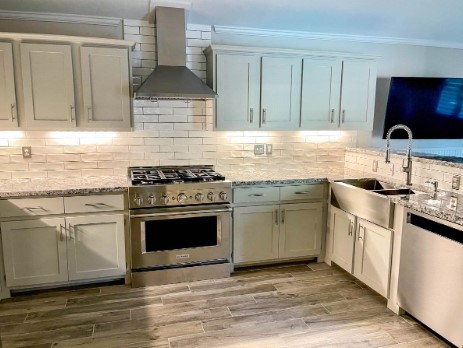
Cooking changes the air inside a kitchen in several ways. Heat, moisture, grease particles, smoke, and food odors can accumulate during everyday meal preparation, making ventilation an important part of kitchen planning. A wall-mounted range hood ductless system offers an alternative for homes where installing an exterior ventilation duct is difficult or impractical. Instead of directing cooking air outside, this configuration draws air through filters and returns it to the room. Understanding its operation, filtration process, limitations, and installation requirements helps homeowners determine when this ventilation approach makes sense.
How Does a Ductless Wall-Mounted Hood Work?
A ductless ventilation system uses an internal fan to pull cooking air through the hood. The air passes through filters before being released back into the kitchen. Unlike ducted systems, it does not require a ventilation pipe running through an exterior wall, ceiling, or roof.
Most recirculating configurations use two main filtration stages:
- Grease filtration: Metal mesh or baffle filters capture grease droplets and larger airborne particles generated during cooking.
- Odor filtration: Activated charcoal filters help absorb certain cooking odors and airborne compounds before the air returns to the room.
Benefits of Recirculating Ventilation
Flexible Installation Options
One practical advantage of a wall-mounted range hood ductless configuration is its installation flexibility. Kitchens in apartments, condominiums, older houses, and remodeled properties may lack an existing exterior exhaust route.
Creating new ductwork can involve opening walls, modifying ceilings, or navigating structural obstacles. A recirculating system avoids much of this construction because it returns filtered air directly into the kitchen.
Reduced Dependence on Exterior Ductwork
Ducted ventilation requires a suitable route to the outdoors. The length, diameter, material, and configuration of the ductwork can influence airflow performance.
A ductless system eliminates these duct-related requirements. However, it still needs an appropriate electrical connection, adequate clearance, and sufficient space for installation and filter access.
Practical for Everyday Cooking
For households preparing light or moderate meals, recirculating ventilation can help manage grease and certain odors. Its performance depends on using the correct filters and operating the fan consistently during cooking.
Understanding the Limitations of Ductless Systems
Although filtration can improve indoor cooking conditions, a ductless hood does not remove air from the building.
This distinction is important because charcoal filters primarily address odors and selected airborne compounds. They do not eliminate all gases, moisture, heat, or combustion-related pollutants.
Homeowners should therefore consider additional ventilation strategies, such as appropriately sized kitchen exhaust fans or other code-compliant ventilation provisions.
Installation and Maintenance Considerations
Correct installation affects both safety and ventilation performance. The hood should be securely attached to suitable wall supports, with mounting height determined by the appliance manufacturer’s instructions and applicable cooking-equipment requirements.
Electrical connections should comply with local regulations. The installation must also allow sufficient access for cleaning and filter replacement.
Maintenance is especially important because accumulated grease can restrict airflow.
- Wash reusable grease filters regularly.
- Replace charcoal filters according to manufacturer instructions.
- Clean the exterior using appropriate materials.
- Check the fan and air outlets for obstructions.
- Operate the hood before cooking begins and continue running it briefly afterward.
Charcoal filters cannot generally be restored through ordinary washing. Their replacement schedule depends on cooking frequency and the specific filter design.
Conclusion
Recirculating ventilation provides a practical solution for kitchens where exterior duct installation presents structural or logistical challenges. Its effectiveness depends on suitable filtration, correct sizing, consistent operation, and routine maintenance. Understanding these factors makes it easier to evaluate range hood systems alongside other ventilation arrangements. For larger cooking installations, a 48 inch wall mount range hood may provide broader coverage than a standard residential model. However, its dimensions should correspond to the actual cooking equipment and available wall space rather than being selected solely for appearance. Good kitchen ventilation also involves controlling moisture, maintaining clean cooking surfaces, and ensuring adequate fresh-air circulation throughout the home.