
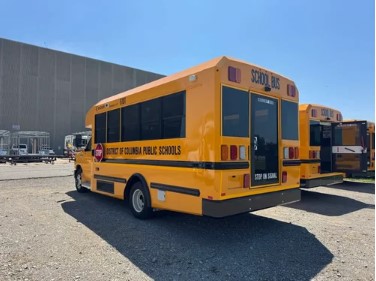
Communities across the country are searching for cleaner, healthier transportation solutions for students, and many districts are turning to electric school buses as a forward-thinking alternative. These vehicles represent more than a technological upgrade—they directly influence environmental conditions around schools, neighborhoods, and bus stops. By eliminating tailpipe emissions and reducing exposure to pollutants, they offer a transformative path toward safer air for children, who are among the most vulnerable to respiratory challenges. Understanding how these buses improve air quality helps districts, parents, and policymakers make informed decisions about student transportation.
The Health and Environmental Impact of Cleaner School Transportation
Why Air Quality Matters for Children
Children breathe faster, spend more time outdoors, and have developing lungs, making them more sensitive to air pollution than adults. Traditional diesel-powered buses release nitrogen oxides, particulate matter, and other pollutants that can worsen asthma, trigger allergies, and contribute to long-term respiratory issues. When dozens of buses idle during school pickups and drop-offs, the concentration of pollutants increases around campuses—areas meant to be safe and healthy for young learners.
Eliminating Tailpipe Emissions
The most immediate benefit of electric school buses is their complete absence of tailpipe emissions. Because they run on electric power, they do not release exhaust fumes, soot, or harmful particulates. This means the air around schools, playgrounds, and bus stops remains significantly cleaner. For children with asthma or other respiratory sensitivities, this reduction in airborne contaminants can lead to fewer symptoms and improved overall well-being.
How Electric School Buses Reduce Pollution at the Source
Cutting Down on Diesel Exhaust Exposure
Diesel exhaust contains tiny particles capable of penetrating deep into the lungs. Studies show that exposure can impair lung function and increase the risk of chronic respiratory problems. By replacing diesel fleets with electric school buses, districts eliminate one of the most common and concentrated sources of pollution children encounter daily. Even brief moments of idling near a school entrance can create harmful exposure levels—something electric models simply do not produce.
Supporting Cleaner Community Air
Beyond school zones, these vehicles play a broader role in improving regional air quality. When buses operate along city routes, neighborhoods benefit from reduced emissions, quieter transportation, and lower overall pollution levels. Schools located near high-traffic areas especially see measurable improvements when electric fleets reduce the number of combustion engines circulating through local streets. Even other clean transportation options, such as shuttle bus electric models used for community transit, contribute to this shared environmental benefit.
The Technological Advantages Behind Cleaner Air
Advanced Battery Systems for Efficient Operation
Modern electric buses use high-capacity battery systems designed for daily route demands. These batteries enable consistent performance, quiet operation, and energy-efficient acceleration. Unlike diesel buses, which release pollutants as they age, electric models maintain clean operation throughout their lifespan—no combustion means no gradual decline in air quality.
Regenerative Braking and Reduced Wear
Electric buses often use regenerative braking, which captures and reuses energy during stops. This reduces brake wear and minimizes the release of brake dust, another contributor to airborne particulates around schools. The smoother, quieter braking also enhances safety and comfort for young passengers.
Long-Term Benefits for Schools and Communities
Lower Noise Pollution
Noise is another environmental factor that affects child health. Diesel buses are loud, especially during idling and acceleration. Electric models operate quietly, reducing noise exposure for students, teachers, and nearby residents. Quieter transportation also improves concentration in classrooms close to parking lots or bus loading zones.
Conclusion
By eliminating tailpipe emissions, reducing exposure to diesel exhaust, lowering noise pollution, and supporting sustainable community goals, they offer a proactive solution to long-standing air quality concerns around schools. As educational institutions expand their clean transit initiatives, some are exploring broader electric options—including the use of electric vehicle bus fleets—to build a comprehensive transportation system that prioritizes student health and environmental responsibility.