
A demanding training session places several nutritional and physical demands on the body. Exercise duration, intensity, temperature, and individual fitness levels can all influence how a person feels during a workout. Nutrition before and after exercise is important, but what happens during a session can matter too, particularly when training lasts longer or intra workout supplements. Understanding the role of hydration and amino acids helps explain why some athletes consider products intended for use during exercise. These products should complement, rather than replace, balanced meals and consistent training habits.
What Are Intra-Workout Supplements?
Intra-workout supplements are products intended to be consumed while exercising. Depending on their formulation, they may provide amino acids, electrolytes, carbohydrates, or other ingredients intended to support hydration and training nutrition.
Their purpose differs from that of a traditional pre-workout product, which is generally taken before exercise, and a post-workout product, which is used after a session. An intra-workout formula is designed around the period when a person is actively training.
Not every workout requires a dedicated supplement. Someone completing a short, moderate session may be able to meet their needs through normal meals and water. Longer sessions, high-volume resistance training, or exercise in hot conditions may make fluid and electrolyte intake more relevant.
The Role of Amino Acids During Exercise
Amino acids are the building blocks of protein. The body uses them to create and maintain proteins involved in muscle tissue and many other biological functions. Essential amino acids must be obtained through food or supplements because the body cannot produce them in sufficient amounts.
Branched-chain amino acids, commonly called BCAAs, include leucine, isoleucine, and valine. They are often included in sports nutrition products. Leucine is involved in signalling pathways associated with muscle protein synthesis, although consuming BCAAs alone does not provide all the essential amino acids required to build muscle protein.
Products containing a broader essential amino acid blend provide a wider range of these building blocks. However, total daily protein intake and overall dietary quality remain central to supporting training adaptation. Supplements cannot make up for consistently inadequate nutrition.
Hydration and Electrolyte Intake
Sweating causes the body to lose water and electrolytes, including sodium. The amount lost varies according to exercise intensity, duration, environmental conditions, and individual sweat rate. Replacing fluids is important because substantial dehydration can affect comfort and exercise performance.
Some intra-workout supplements include electrolytes to help replace minerals lost through sweat. Their usefulness depends on the session and the individual’s needs. Water is often sufficient for shorter workouts, while longer sessions or exercise in hot environments may require a more deliberate hydration plan.
A product’s ingredient label should be reviewed carefully. Consumers should check the amount of sodium and other electrolytes per serving instead of assuming that every formula provides the same level of hydration support.
Choosing a Formula for Training Needs
The best product choice depends on the type of exercise, dietary habits, and tolerance for different ingredients. A person comparing intra workout supplements should consider several points:
- Ingredient transparency: Look for clearly listed ingredients and amounts rather than relying only on broad performance claims.
- Amino acid profile: Check whether the formula contains BCAAs or a complete range of essential amino acids.
- Electrolyte content: Compare sodium and other mineral amounts with personal hydration requirements.
- Serving instructions: Follow the label and avoid combining products without checking overlapping ingredients.
- Quality standards: Review manufacturing and testing information where available.
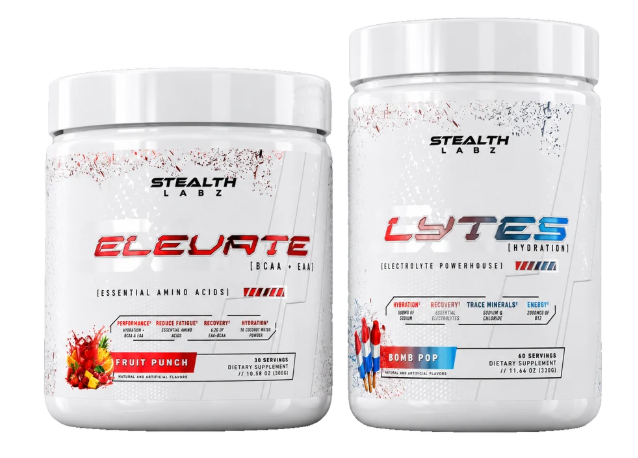
The collection referenced in the supplied URL includes an amino acid and hydration formula, an electrolyte product, and other sports nutrition options. Its Elevate BCAA/EAA Recovery + Hydration Formula is listed alongside LYTES Electrolyte Hydration Formula. These product categories illustrate how amino acid intake and fluid support may be approached separately or together, depending on the formulation.
Stealth Labz
Timing, Diet, and Practical Use
The timing of nutrient intake is less important than meeting overall daily nutrition needs for most recreational exercisers. A balanced meal containing protein and carbohydrates before training may provide sufficient energy and amino acids for many sessions. During exercise, fluid intake should reflect thirst, sweat loss, session length, and environmental conditions.
People who train for extended periods may find it useful to plan hydration rather than waiting until they feel significantly thirsty. At the same time, drinking excessive amounts of water can also be harmful, so fluid intake should not be forced beyond individual requirements.
Anyone with a medical condition, taking medication, pregnant, or unsure whether a supplement is appropriate should consult a qualified healthcare professional before use. Product labels should be followed, and supplements should not be treated as a substitute for food, rest, or medical advice.
Conclusion
Workout nutrition is most effective when it supports a consistent diet, appropriate hydration, and a realistic training plan. Amino acids and electrolytes may have a role during demanding or extended sessions, but their value depends on the formulation and the individual’s requirements. A balanced approach also leaves room for adequate sleep, recovery time, and regular meals that support long-term training progress and overall well-being muscle recovery supplements. Checking ingredient quantities, serving directions, and product quality helps make selection more informed.