
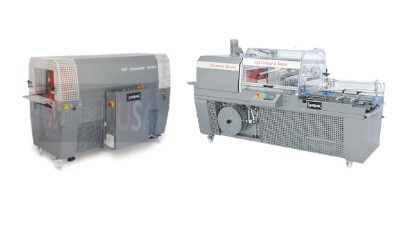
In modern manufacturing and logistics, packaging efficiency plays a crucial role in reducing costs and improving product safety. Among the most widely adopted solutions are shrink wrap machines, which use heat-shrinkable plastic films to tightly seal products of various shapes and sizes. According to industrial packaging practices, shrink wrapping has evolved from manual labour-intensive processes to highly automated systems that enhance speed, consistency, and protection in packaging lines. These machines are now widely used across the food, beverage, cosmetics, electronics, and industrial goods sectors due to their reliability and versatility.
Faster Packaging Through Automation
One of the primary ways shrink wrap machines improve efficiency is through automation. Instead of manually wrapping products, automated and semi-automatic systems perform sealing, cutting, and heat shrinking in a continuous workflow. This significantly increases production speed, with advanced industrial systems capable of handling high-volume output per minute in large-scale operations. Maripak USA highlights that modern shrink wrapping systems integrate sealing and heat tunnel processes into a unified line, reducing manual intervention and improving throughput consistency across production cycles.
Automation also minimizes human error, ensuring every package is wrapped uniformly. This consistency is especially important for industries where presentation and product integrity directly affect consumer trust and brand value.
Reduced Labor and Operational Costs
Another major advantage of shrink wrap machines is the reduction in labor requirements. Traditionally, packaging required multiple workers for wrapping, sealing, and quality checking. With automated shrink wrapping systems, a single operator can oversee the entire process. This reduces labor costs and reallocates workforce efforts to higher-value tasks such as quality control and logistics management.
Additionally, automation reduces downtime caused by fatigue or inconsistencies in manual packaging. As noted in industrial packaging research, reduced manual handling leads to lower operational inefficiencies and improved workflow stability in production environments.
Material Optimization and Waste Reduction
Shrink wrap machines are designed to apply precise amounts of film based on product dimensions. This controlled usage minimizes excess material waste compared to manual wrapping methods. The film tightly conforms to the product shape after heat application, ensuring minimal slack and reducing the need for additional protective packaging.
This efficiency in material usage not only reduces packaging costs but also supports more sustainable production practices. In large-scale manufacturing environments, even small reductions in film usage can translate into significant cost savings over time.
Enhanced Product Protection and Stability
Efficiency in packaging is not only about speed and cost but also about product safety. Shrink wrapping provides a tamper-evident seal that improves product security during transportation and storage. The tight seal protects goods from dust, moisture, and contamination while ensuring stability during handling and shipping.
Industrial systems also allow for bundling multiple products together, which improves logistics efficiency by reducing space requirements during transportation. This optimized packaging density helps companies lower shipping costs and improve warehouse storage utilization.
Integration with Modern Packaging Lines
Modern shrink wrap machines are often integrated with conveyors, sealing units, and heat tunnels to form complete packaging lines. This integration allows for continuous production flow, eliminating bottlenecks between different packaging stages. Maripak USA’s industrial solutions emphasize fully automated systems that combine sealing and shrink tunnel technology to streamline packaging operations in high-demand industries.
Such integrated systems are particularly valuable in large manufacturing environments where scalability and consistency are essential for meeting production targets.
Conclusion
Shrink wrap machines significantly improve packaging efficiency by combining automation, precision, and product protection into a single streamlined process. They reduce labor dependency, optimize material usage, and enhance packaging speed while maintaining high standards of quality and safety. As industries continue to offer advanced industrial packaging machines, they move toward faster and more cost-effective production systems. In the broader landscape of modern manufacturing, advancements in packaging machines continue to shape how businesses achieve scalable, reliable, and efficient packaging operations.