
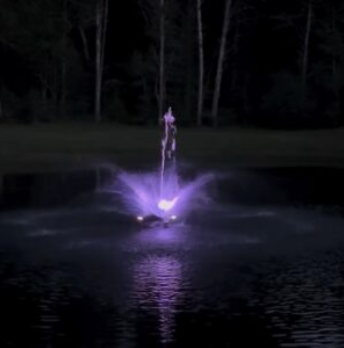
A pond can become a more attractive outdoor feature with the addition of moving water. A fountain creates visual interest, produces soothing water sounds, and helps circulate pond water. However, choosing the right system requires attention to pond dimensions, water depth, pump capacity, and the desired spray pattern. Floating fountains for small ponds can provide a practical option when the equipment matches the available space and water conditions. Understanding these factors before purchasing helps property owners select a fountain that complements their landscape while supporting consistent performance and manageable maintenance.
Understanding How Floating Pond Fountains Work
Floating pond fountains use a pump to draw water from the pond and push it through a nozzle, creating a spray above the surface. As the water falls back, it contributes to surface movement and circulation. The floating design allows the fountain to remain on the water as levels change within its operating range.
These systems can suit backyard ponds, landscaped water features, and other freshwater settings. Their appearance depends on pump capacity, nozzle design, and available space. Before choosing a model, measure the pond and check its depth to determine whether the fountain can operate safely and produce the desired display.
Choosing the Right Pump Capacity
Pump capacity determines how much water a fountain moves and the spray it produces. Smaller pumps may suit modest ponds, while more powerful models create larger displays. Friendly Fountains offers floating pond fountains with 1/3-, 1/2-, and 3/4-horsepower pumps, with listed flow rates from 4,000 to 6,600 gallons per hour.
When comparing floating fountains for small ponds, consider surface area, depth, and desired spray dimensions. Higher horsepower does not always mean better performance. Check manufacturer specifications to ensure the selected pump suits your pond’s requirements and provides an appropriate display without creating an unsuitable setup.
Exploring Spray Patterns and Visual Appeal
Select a Nozzle That Fits Your Landscape
Nozzles determine a fountain’s spray shape and spread, from narrow vertical displays to wider water patterns. The right option depends on pond size, surrounding landscaping, and preferred appearance. Many Friendly Fountains models include five interchangeable nozzles, allowing owners to change spray patterns without replacing the system. Compare each nozzle’s height and width, particularly when ponds are near walkways, seating areas, or garden beds.
Consider the Surrounding Environment
Wind can carry spray beyond the pond, wetting nearby surfaces and wasting water. Consider surrounding trees, structures, and prevailing wind conditions when positioning the fountain. Allow enough clearance for maintenance and keep the display proportional to the landscape. Choosing floating fountains for small ponds with suitable spray patterns helps create an attractive, balanced water feature without overwhelming a compact outdoor setting.
Installation and Maintenance Essentials
Before installation, confirm the required water depth, electrical supply, and anchoring instructions. Some fountains need at least 36 inches of water. Secure the unit properly and use a ground-fault circuit interrupter (GFCI)-protected outlet.
For regular maintenance, inspect the pump, nozzle, filter, power cord, and mooring lines for debris or damage. Clean components according to manufacturer guidelines. In colder regions, remove the fountain before freezing temperatures arrive. Monitor spray height and operating sounds to identify blockages or potential issues early.
Planning for Nighttime Enjoyment
Lighting can make a pond fountain more noticeable after sunset and extend the enjoyment of an outdoor space into the evening. Before selecting a lighted model, consider the pond’s surroundings, preferred color, and how the illumination will complement nearby paths and seating areas.
Choose equipment designed for the fountain and follow its installation and electrical safety instructions. Keep connections protected as directed, and avoid adding incompatible accessories that could affect reliable operation.
Conclusion
Choosing the right fountain involves balancing pump capacity, spray design, water depth, and maintenance requirements. Reviewing specifications before purchasing helps ensure the system suits the pond and surrounding landscape. Regular cleaning and proper seasonal care can also support dependable performance over time. For an additional nighttime feature, pond fountain lights can highlight moving water and create an inviting atmosphere for evening relaxation and outdoor gatherings.