
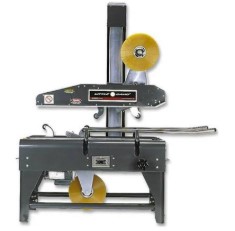
Packaging lines rarely get attention until something stops moving. Yet the cartons leaving a facility each day depend on a chain of mechanical steps, from forming a box to sealing it and sending it onward. Many warehouses and plants run case sealers, erectors, and related equipment from Loveshaw Little David, a name that has been associated with carton handling machinery for years. Knowing what this type of equipment does, and how it is kept in good condition, helps maintenance teams, buyers, and supervisors make better decisions. A small adjustment made early can prevent jammed cartons, crooked seals, and costly downtime later. This article offers a general overview of where such machines fit in a packaging workflow, which parts tend to wear, and how a steady upkeep routine supports reliable output.
Where These Machines Fit on a Packaging Line
A typical carton workflow begins with a flat blank that is opened and shaped, filled by hand or by automated equipment, then closed and sealed with tape or adhesive. Case erectors handle the first stage, sealers handle the last, and conveyors link the steps so cartons move at a steady pace. Equipment such as Loveshaw Little David sealers is often used for applications that need consistent top and bottom closure across varied box sizes. Adjustable guides, side belts, and taping heads allow a single machine to accommodate different dimensions, though changeovers must be done carefully to keep alignment accurate. Throughput depends on carton weight, conveyor speed, and how evenly products are packed, so operators who load boxes consistently usually see fewer stoppages. Environmental conditions matter too, since dust, humidity, and temperature swings can affect tape adhesion and belt grip. Proper tape tension and correct carton flap alignment also keep sealing quality steady from the first box to the last. Facilities that plan layouts with enough clearance around each machine also find it easier to clear jams and perform routine service safely.
Wear Points Worth Inspecting Regularly
Every moving assembly has parts that wear first, and knowing them saves time. Drive belts gradually stretch and glaze, which reduces grip and can cause cartons to slip or skew. Tape cutting blades dull with use, leaving ragged or incomplete cuts that interfere with a clean seal. Springs lose tension, rollers develop flat spots, bearings grow noisy, and fasteners loosen under constant vibration. For anyone maintaining Loveshaw Little David equipment, a simple walk-around inspection at the start of each shift can reveal these problems before they escalate. Look for uneven tape application, unusual sounds, or cartons that arrive at the exit out of square. Lubrication should follow the manufacturer’s guidance, because too little causes friction while too much attracts dust and debris. Electrical components such as sensors and switches also need periodic cleaning and checking, as a dirty sensor can mimic a mechanical fault. Recording each inspection, even briefly, builds a history that reveals patterns. If a belt is replaced every few months, for example, the log makes it easy to schedule the next change ahead of failure rather than after it.
Conclusion
A reliable routine rests on three habits: inspecting often, replacing worn items on schedule, and training operators to report small changes. Teams that follow these habits tend to spend less on emergency repairs and more time producing finished cartons. Safety deserves constant attention, so guards should stay in place and power should be isolated before any adjustment or cleaning. It also helps to keep manuals, wiring diagrams, and settings records in one accessible place so any technician can step in confidently. Keeping a modest stock of commonly used machine components, such as belts, blades, rollers, and fasteners, shortens repair time when a part finally gives out. Clear labeling and organized storage make those items easy to find during a busy shift. Whether a plant runs one sealer or an entire line, careful planning around Loveshaw Little David equipment supports consistent seals, fewer interruptions, and a safer workplace. Over time, small and regular efforts do far more for uptime than occasional large repairs.