
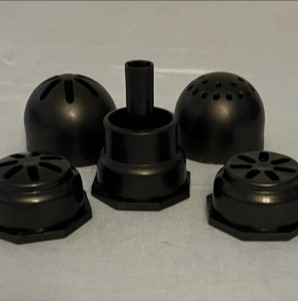
Achieving a visually balanced and well-performing fountain requires more than selecting attractive components, because hydraulic compatibility plays a major role in the final outcome. When choosing fountain spray heads, matching them correctly with pump pressure ensures proper height, pattern clarity, and consistent water movement. Understanding how pressure, flow rate, and spray design interact helps prevent weak displays, splashing issues, or unnecessary strain on equipment.
Understanding Pump Pressure and Flow Rate
Pump pressure and flow rate work together but serve different purposes. Pressure determines how forcefully water is pushed upward, while flow rate controls volume. When installing fountain spray heads, the pump must deliver enough pressure to reach the intended spray height without overpowering the nozzle. Too little pressure results in short or uneven sprays, while excessive pressure can distort patterns or cause water loss outside the basin.
How Spray Head Design Affects Pressure Needs
Different spray head styles require different pressure levels to function correctly. Multi-tier, fan-style, or vertical jet fountain spray heads often have specific pressure ranges designed to produce defined patterns. Narrow openings typically need higher pressure, while wider dispersing heads perform best with moderate force. Matching the pump to the spray head design preserves the intended visual effect.
Preventing Spray Distortion and Overspray
Incorrect pressure is one of the most common causes of poor fountain performance. If pressure exceeds design limits, fountain spray heads may produce misting, uneven arcs, or excessive splashing. This not only affects appearance but can also lead to water loss and surrounding surface damage. Proper pressure matching keeps spray patterns controlled and predictable.
Achieving Consistent Spray Height
Uniform spray height is essential for a polished fountain display. When pressure fluctuates or is mismatched, fountain spray heads may deliver inconsistent results that vary with water level or pump wear. Selecting a pump with a stable output ensures the spray maintains its height and shape throughout operation, improving visual consistency.
Energy Efficiency and Equipment Longevity
Oversized pumps consume unnecessary energy and place stress on components. When pump pressure is matched correctly, fountain spray heads operate efficiently without forcing the system to work harder than needed. This balance reduces energy costs and extends the lifespan of both the pump and spray hardware.
Adjusting Pressure With Valves and Controls
Fine-tuning pressure is often possible through flow control valves. These adjustments help optimize how fountain spray heads perform without replacing equipment. Controlled pressure regulation allows flexibility when seasonal changes or design preferences require slight spray modifications.
Coordinating Spray Heads With Fountain Size
The fountain scale directly influences pressure requirements. Smaller basins need gentler output, while larger installations require stronger circulation. Choosing fountain spray heads that match the fountain size ensures water remains contained while still delivering visual impact. Proportionate pressure creates a balanced and professional-looking display.
Installation Planning and Testing
Testing before final installation is critical. Running the pump and observing how the fountain spray heads respond under real conditions allows adjustments before permanent setup. This step helps avoid costly changes later and ensures the fountain performs as expected from day one.
Brand Guidance and System Compatibility
Manufacturers such as Friendly Fountains emphasize compatibility between pumps and spray components to achieve reliable results. Their approach focuses on matching pressure ranges with spray head designs so water features perform efficiently and consistently over time.
Conclusion
Matching pump pressure correctly ensures spray patterns remain defined, controlled, and visually appealing while protecting equipment from unnecessary wear. When pressure and spray design are aligned, fountains operate smoothly and deliver long-term performance. Pairing balanced water movement with visual enhancements like multi-color LED fountain lights further elevates the overall impact of any fountain display.