
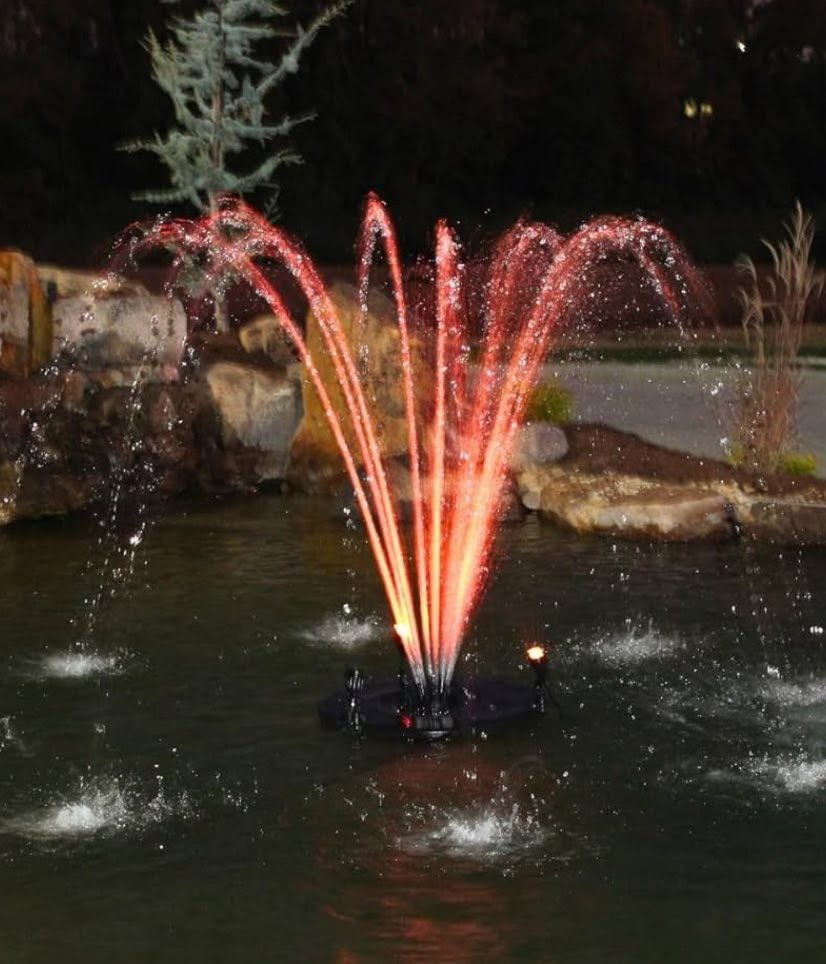
Water features have long been used in gardens, parks, and commercial landscapes to create a sense of calm and visual elegance. In modern landscape design, lighting has become just as important as water movement itself. The growing interest in outdoor fountain lighting reflects a shift toward creating nighttime visual experiences that transform ordinary fountains into dynamic focal points.
When properly designed, lighting does more than illuminate water—it enhances texture, movement, and reflection. This combination of light and water creates a layered aesthetic that changes throughout the evening, offering a completely different experience compared to daylight viewing.
The Role of Lighting in Fountain Design
Lighting plays a crucial role in how water features are perceived. Without it, fountains often lose their visual impact after sunset. With properly planned illumination, however, they become centerpieces that define outdoor environments.
The main goal of outdoor fountain lighting is to highlight movement and structure. Water streams, sprays, and ripples all interact with light differently. When illuminated correctly, even a simple fountain can appear more complex and visually engaging.
Different lighting positions—such as underwater placement, perimeter lighting, or upward-facing fixtures—can dramatically change the appearance of a fountain. Designers often experiment with angles to create depth and motion in the water display.
Types of Fountain Lighting Systems
There are several types of lighting systems used in modern fountain design, each serving a different purpose.
Submersible lights are installed directly underwater and are commonly used to create a glowing effect from within the fountain. These lights emphasize water movement and are often used in decorative garden setups.
Above-water lighting is installed around the fountain structure and highlights the surrounding architecture. This type of lighting is effective for larger installations where water movement needs to be seen from a distance.
Color-changing LED systems have become increasingly popular in outdoor fountain lighting projects. These systems allow dynamic color transitions that can be programmed for different moods or events. They are widely used in public spaces, resorts, and commercial properties.
Energy Efficiency and Modern Technology
Advancements in LED technology have significantly improved the efficiency of fountain lighting systems. Compared to traditional halogen bulbs, LEDs consume less power, generate less heat, and last significantly longer.
Smart control systems also allow users to adjust brightness, color, and timing schedules remotely. This adds convenience while also improving energy management for large installations.
As sustainability becomes more important in landscape design, energy-efficient lighting solutions are now a standard feature in most modern fountain projects. This has made outdoor fountain lighting more accessible for both residential and commercial applications.
Design Considerations for Effective Lighting
Successful fountain lighting requires careful planning. Factors such as water flow rate, fountain size, and surrounding environment all influence lighting design decisions.
For example, fast-moving water requires brighter and more focused lighting to maintain visibility. In contrast, slow-moving or still water benefits from softer lighting that emphasizes reflection rather than motion.
Placement and Environmental Impact
Proper placement of lighting fixtures is essential for achieving the desired visual effect. Poorly positioned lights can create glare, shadows, or uneven illumination that reduces the aesthetic quality of the fountain.
Environmental conditions such as weather, humidity, and water exposure must also be considered. Outdoor lighting systems need to be waterproof, corrosion-resistant, and durable enough to withstand continuous exposure to water and changing temperatures.
Maintenance is another important factor. Regular cleaning and inspection ensure that lighting performance remains consistent over time, especially in environments where debris or mineral buildup may occur.
Enhancing Outdoor Spaces with Water and Light
When combined effectively, water and light can transform outdoor spaces into immersive environments. Gardens, courtyards, and commercial landscapes benefit from the visual movement and ambient glow created by illuminated fountains.
In public spaces, lighting also improves visibility and safety while enhancing aesthetic appeal. This dual function makes fountain lighting an essential part of modern landscape architecture.
Conclusion
Fountain lighting is no longer just an optional design feature; it has become a key component of modern landscape aesthetics. In larger pond installations where water movement systems are more powerful, setups like a 1 3 hp pond fountain often require carefully designed lighting layouts to fully highlight their scale and motion. With the right combination of technology, placement, and design principles, water features can be transformed into captivating nighttime displays.