
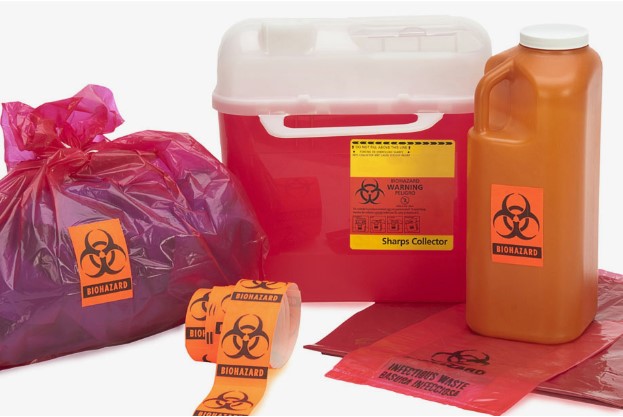
Proper waste handling is a critical part of modern healthcare, laboratory operations, and pharmaceutical production. As medical and scientific activities continue to expand, so does the need for safe, compliant, and environmentally responsible disposal systems. Effective biohazard waste management is essential to protect public health, prevent contamination, and ensure regulatory compliance across all healthcare-related industries.
Understanding Biohazard Waste
Biohazard waste refers to any biological or medical material that has the potential to cause harm to humans, animals, or the environment. This includes infectious substances, contaminated materials, sharps, and pathological waste generated in hospitals, clinics, laboratories, and research facilities.
Proper biohazard waste management ensures that these materials are safely collected, segregated, treated, and disposed of according to strict regulatory guidelines.
Common categories of biohazard waste include:
- Infectious waste (blood, bodily fluids, cultures)
- Sharps (needles, scalpels, broken glass)
- Pathological waste (tissues and organs)
- Contaminated personal protective equipment (PPE)
- Laboratory and diagnostic waste
Each category requires specific handling procedures to minimize exposure risks and environmental contamination.
Why Biohazard Waste Management Is Important
Improper handling of biohazard materials can lead to severe consequences, including disease transmission, environmental pollution, and regulatory penalties.
Protecting Human Health
Biohazard waste may contain harmful pathogens that can cause infections if exposed to skin, inhaled, or ingested. Safe handling practices significantly reduce these risks for healthcare workers and the general public.
Environmental Safety
If not treated correctly, medical waste can contaminate soil and water systems. Effective biohazard waste management helps prevent the release of hazardous biological agents into the environment.
Regulatory Compliance
Healthcare facilities must follow strict local and international regulations for waste segregation, storage, transport, and disposal. Compliance reduces legal risk and ensures operational safety.
Best Practices for Safe Waste Management
Organizations handling medical and pharmaceutical materials must adopt structured waste management protocols.
Segregation at Source
Waste should be separated immediately at the point of generation to prevent cross-contamination between hazardous and non-hazardous materials.
Proper Containerization
Color-coded, leak-proof, and puncture-resistant containers are essential for safe storage and transport.
Staff Training
Employees must be trained in handling protocols to reduce occupational risks and ensure compliance with regulations.
Regular Collection and Disposal
Scheduled waste pickup and treatment help prevent accumulation and reduce storage risks.
Treatment and Disposal Methods
Different waste types require different treatment methods depending on their risk level.
Common disposal methods include:
- Incineration for hazardous biological and pharmaceutical waste
- Autoclaving for sterilization of infectious materials
- Chemical disinfection for certain liquid wastes
- Secure landfilling for treated non-hazardous residues
These methods ensure that waste is rendered safe before final disposal.
The Role of Professional Waste Management Services
Due to the complexity of regulations and risks involved, many healthcare and pharmaceutical facilities rely on specialized service providers for waste handling.
Professional biohazard waste management services ensure:
- Compliance with environmental regulations
- Safe transportation and disposal
- Proper documentation and tracking
- Reduced operational risk for healthcare facilities
- Environmentally responsible treatment methods
Environmental Impact of Improper Disposal
Improper disposal of medical and pharmaceutical waste can lead to long-term environmental consequences.
- Contamination of water supplies
- Harm to wildlife and ecosystems
- Development of antibiotic resistance in bacteria
- Toxic accumulation in soil and water systems
These risks highlight the importance of structured and compliant waste disposal systems.
Conclusion
Safe and effective handling of medical waste is essential for protecting both human health and the environment. Strong biohazard waste management systems ensure that infectious and hazardous materials are properly contained and disposed of, while structured pharmaceutical waste management prevents harmful medications from entering ecosystems or causing unintended exposure. With increasing regulatory standards and environmental concerns, organizations must prioritize responsible waste practices to maintain safety, compliance, and sustainability in healthcare and related industries.