
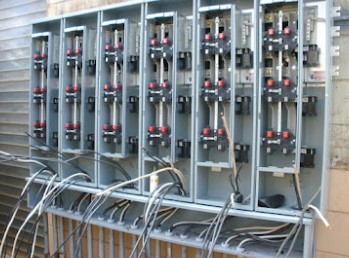
The electrical panel is the control center of a home, routing power from the utility to every circuit and protecting wiring with breakers. As households add more appliances, cooling systems, and charging equipment, older panels can struggle to keep up. For homeowners in Arizona’s hot climate, where air conditioning runs for much of the year, an electric panel upgrade in Chandler is often a topic worth understanding before problems appear. This blog explains what a panel does, the signs that it needs attention, and what the upgrade process generally involves.
What an Electrical Panel Does
An electrical panel, also called a breaker box, receives electricity from the service line and divides it into branch circuits. Each circuit has a breaker that trips when too much current flows, which helps prevent overheating and fires. Panels are rated in amperes, and many older homes were built with 60 or 100 amp service. Newer homes commonly have 200-amp service, which better suits modern electrical demand. Panels typically last several decades, but their condition depends on age, installation quality, and environment.
Signs Your Panel May Need an Upgrade
Breakers that trip often, lights that flicker or dim when appliances start, and outlets that feel warm are common warning signs. Burning smells, buzzing sounds, scorch marks, rust, or moisture around the panel are more serious and call for prompt professional attention. Homes still using fuses, or panels from manufacturers with documented safety concerns, may also be candidates for replacement. If you rely on extension cords or power strips because there are too few outlets, that may point to an overloaded system. Anyone who notices these signs should have a licensed electrician inspect the panel rather than attempting repairs personally.
Why Capacity Matters in Hot Climates
Summer temperatures in the Phoenix area push air conditioners hard, and cooling is often the largest electrical load in a home. Add electric vehicle chargers, rooftop solar connections, pool equipment, or a home addition, and a panel’s capacity can be tested. A homeowner planning an electric panel upgrade in Chandler should start with a load calculation, which estimates the total demand the home may place on the system. The result helps determine whether the existing service is adequate or whether a larger one is needed.
Benefits of Upgrading
A newer panel can provide more capacity, more open breaker slots, and updated protective devices. Modern electrical codes call for arc-fault circuit interrupters in many living areas and ground-fault circuit interrupters near water, which help reduce shock and fire risks. Upgrading may also make it easier to add circuits for new appliances without overloading existing ones.
How the Upgrade Process Works
The process usually begins with an inspection and load calculation. A licensed electrician then plans the work, which may include a new panel, a new meter base, updated grounding, or a larger service line. Permits are generally required, and work is typically inspected by the local authority to confirm it meets the National Electrical Code. During installation, power to the home is shut off for part of the day, so it helps to plan around that. For anyone comparing options for an electric panel upgrade in Chandler, it is reasonable to ask about licensing, permit handling, and the scope of work in writing.
Safety and Hiring Tips
Panel work involves live, high-energy components and should never be a do-it-yourself project. Check that the contractor is licensed in Arizona, carries insurance, and provides a written estimate. Ask how the team will handle permits, inspections, and any needed coordination with the utility.
Conclusion
An electrical panel quietly supports everything in a home, so its condition deserves attention. Watching for warning signs, understanding capacity needs, and using licensed professionals all contribute to a safer, more reliable system. Companies such as Quality Contractor Services help homeowners with panel work, and acting before overloads or damage develop keeps a home better prepared for future power demands.