
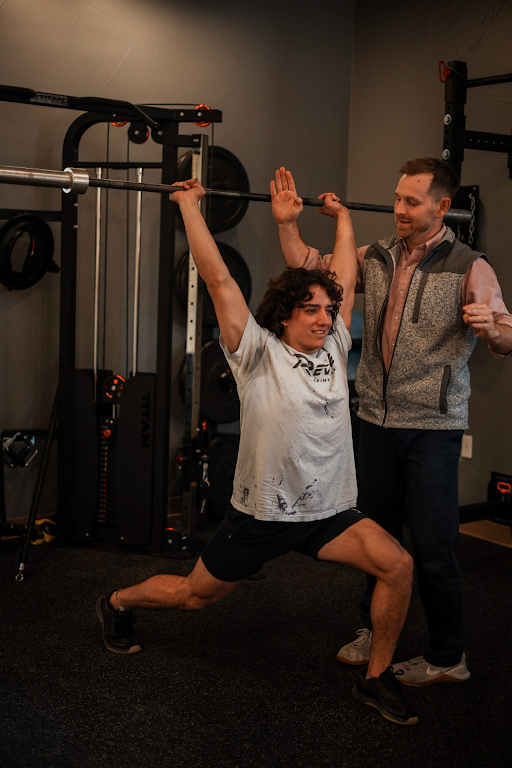
Returning to sports after an injury involves more than waiting for pain to disappear. Athletes need to regain strength, mobility, coordination, endurance, and confidence before resuming demanding physical activity. Structured sport physical therapy can help address these areas while reducing the likelihood of returning to sport before the body is ready. The appropriate approach depends on the injury, sport, physical demands, and individual recovery progress.
Understanding the Purpose of Sports Rehabilitation
Injury rehabilitation typically begins by identifying what caused the problem and how it has affected movement. An athlete may experience reduced strength, restricted joint mobility, altered movement patterns, or difficulty controlling certain motions. Simply resting may allow symptoms to settle without fully restoring the abilities required for competition.
Sport physical therapy focuses on restoring functional movement and physical capacity in ways that relate to an athlete’s activities. Rehabilitation may include mobility exercises, strengthening, balance training, movement retraining, and gradually increasing physical demands.
The objective is not simply to make an athlete feel better. It is to help restore the physical qualities necessary for performing safely and effectively.
Why Gradual Progression Matters?
Returning to full activity too quickly can place unnecessary stress on recovering tissues. An athlete may feel significantly better before the injured area has regained its previous capacity. For this reason, rehabilitation commonly progresses from lower-demand activities toward movements that more closely resemble sport-specific tasks.
Early exercises may focus on controlled movement and basic strength. Later stages can introduce faster movements, changes of direction, jumping, landing, resistance exercises, or other activities relevant to the athlete’s sport.
This gradual progression allows physical demands to increase as capacity improves rather than placing the body immediately under competitive-level stress.
Rebuilding Strength and Movement Control
Injuries can change how an athlete moves, sometimes causing them to compensate by relying more heavily on another joint or muscle group. These compensations may remain even after pain decreases.
A rehabilitation program can address these changes through targeted strengthening and movement exercises. For example, an athlete recovering from a lower-body injury may need to rebuild strength while also improving balance and control during single-leg movements.
Sport physical therapy can incorporate progressively challenging exercises that evaluate how the body responds to increasing loads. Movement quality is important because strength alone does not necessarily guarantee that an athlete can safely perform complex sporting movements.
Incorporating Sport-Specific Training
The final stages of rehabilitation should increasingly reflect the athlete’s actual sporting demands. A distance runner may need progressive running volume, while a basketball player may need jumping, acceleration, deceleration, and directional changes.
Sport-specific exercises help bridge the gap between clinical rehabilitation and regular participation. They can also reveal limitations that may not be obvious during simple strength or mobility exercises.
Assessing Readiness for Return
Feeling ready to compete and being physically prepared are not always the same. A return-to-sport assessment may consider strength, mobility, balance, coordination, endurance, movement quality, and the ability to perform sport-specific activities.
Depending on the injury, rehabilitation professionals may use functional tests to compare performance between sides or evaluate whether the athlete can tolerate progressively greater demands. These assessments can provide useful information when determining whether an athlete is ready to advance.
Confidence also matters. Fear of reinjury can affect movement and performance, so gradually exposing athletes to increasingly demanding activities can help rebuild trust in the recovering body.
Maintaining Progress After Recovery
Completing rehabilitation does not necessarily mean that injury prevention should stop. Athletes can continue strength training, mobility work, warm-ups, recovery practices, and sport-specific conditioning after returning to competition.
Maintaining these habits can support physical preparedness throughout a season. Athletes should also pay attention to recurring discomfort, changes in movement, or unusual fatigue and address these concerns before they develop into larger problems.
Conclusion
A successful return to sport involves restoring the physical abilities required for activity rather than simply waiting for symptoms to fade. New Braunfels pain clinic resources may be useful for individuals seeking professional guidance when pain or injury interferes with physical activity. A structured physical therapy approach can help athletes progress through rehabilitation, rebuild functional capacity, and prepare for the specific demands of their sport. With appropriate progression and ongoing conditioning, returning to activity can become a more measured and informed process.