
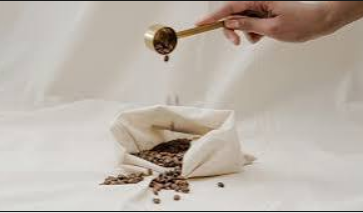
A better cup of coffee starts well before the brewing process. Bean quality, roast date, origin, processing method, grind size, and storage conditions can all influence the final flavor. Understanding what distinguishes premium coffee beans from ordinary options can therefore help consumers make more informed choices rather than relying only on packaging descriptions or roast labels.
What Makes Coffee Beans High Quality?
Coffee quality is influenced by several factors throughout cultivation, processing, roasting, and preparation. The growing region can affect characteristics such as acidity, sweetness, body, and aromatic complexity, while processing methods influence how those qualities develop in the finished bean.
Roasting also has a significant effect. Lighter roasts generally preserve more of the distinctive characteristics associated with the bean’s origin, while darker roasting produces deeper, more pronounced roasted flavors. Neither approach is automatically better; the preferred roast depends largely on taste and brewing method.
Check the Roast Date
Freshness is one of the most useful considerations when buying coffee. Roasted beans gradually lose aromatic compounds as they are exposed to oxygen, while carbon dioxide naturally escapes after roasting. A roast date provides more useful information about freshness than simply looking at a distant best-before date. Current coffee guidance commonly recommends using whole beans within several weeks of roasting for the best balance of aroma and flavor.
This makes the roast date particularly useful when comparing premium coffee beans. Beans do not suddenly become unusable after a specific number of days, but their flavor can become progressively flatter as volatile compounds dissipate.
Consider Whole Beans and Grinding
Whole beans generally retain their flavor better than pre-ground coffee because grinding dramatically increases the surface area exposed to oxygen. Grinding immediately before brewing allows more aromatic compounds to remain available during extraction.
The grind should also correspond to the brewing method. Coarser grounds are commonly used for methods such as French press, while medium grinds suit many drip brewers and finer grinds are generally appropriate for espresso. An inconsistent grind can produce uneven extraction, making some particles over-extracted while others remain under-extracted.
For this reason, a quality grinder can be just as important as the beans themselves when trying to improve consistency.
Store Coffee Away From Its Enemies
Coffee is particularly vulnerable to oxygen, moisture, heat, and light. Storing beans in a tightly sealed container in a cool, dry, dark location can slow the loss of desirable aromas. Experts generally recommend avoiding frequent temperature changes and keeping coffee away from heat-producing appliances.
The original valve bag can also be useful for freshly roasted coffee because the valve allows carbon dioxide to escape without allowing air to flow freely back inside. Once opened, minimizing exposure to air becomes increasingly important.
Proper storage is especially relevant for premium coffee beans, since poor conditions can diminish the characteristics that made a particular coffee appealing in the first place.
Understand Caffeine Preferences
Caffeine content is another consideration when selecting coffee. The amount can vary considerably depending on the bean, serving size, roast, and preparation method. Consumers who want to reduce caffeine should also understand that decaf does not mean completely caffeine-free. According to the FDA, an eight-ounce serving of decaffeinated coffee typically contains around 2–15 milligrams of caffeine.
This distinction matters for people who are sensitive to caffeine or intentionally limit their daily intake.
Conclusion
The same coffee can taste noticeably different depending on how it is prepared. Pour-over brewing can emphasize acidity and delicate aromatic notes, while French press preparation often produces a fuller-bodied cup. Espresso relies on pressure and fine grinding to produce a concentrated beverage. Choosing premium coffee beans is only the first step toward a better cup. Checking the roast date, selecting an appropriate grind, protecting beans from heat and moisture, and matching the coffee to the brewing method can have an equally important effect. For consumers exploring alternatives, decaffeinated coffee can also provide a lower-caffeine option without requiring them to give up the experience of brewed coffee.