
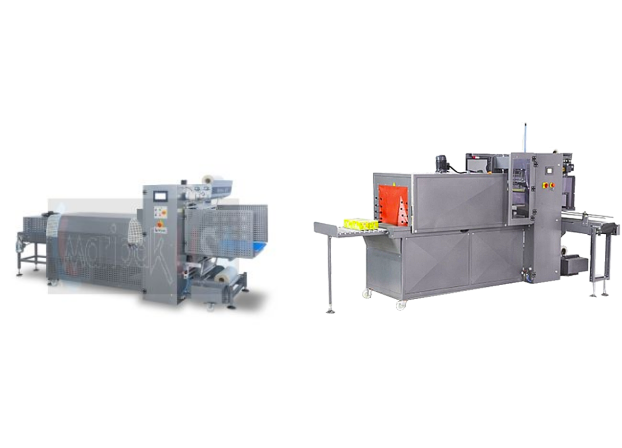
Packaging efficiency plays a major role in manufacturing, warehousing, and logistics operations, especially in industries handling high production volumes. Businesses today require packaging solutions that not only protect products during transportation but also improve speed, consistency, and operational efficiency. As packaging demands continue to grow, automated systems have become increasingly important for reducing labour intensity and maintaining product safety. In industrial packaging environments, an industrial shrink wrap machine is widely used to secure products with protective film, helping businesses improve packaging consistency, minimise damage risks, and streamline operations across different product categories and shipment requirements.
What Is an Industrial Shrink Wrap Machine?
An industrial shrink wrap machine is a packaging system designed to wrap products using shrink film, which tightly conforms to items when heat is applied. These machines are commonly used in manufacturing facilities, warehouses, food processing, retail distribution, and logistics operations to secure products before transportation or storage.
Unlike manual wrapping methods, industrial shrink wrap systems can handle larger production volumes while improving packaging speed and consistency. Depending on operational requirements, machines may be semi-automatic or fully automated to support different packaging capacities.
Shrink wrapping is commonly used for bundling multiple items together, stabilising pallet loads, or protecting products from dust, moisture, and external damage during handling.
How Industrial Shrink Wrapping Works
The shrink wrapping process generally begins by placing products inside shrink film made from materials such as polyethylene (PE) or polyolefin. Once wrapped, the product moves through a heat system where controlled temperatures cause the film to shrink tightly around the item.
This secure wrapping process creates a protective layer that helps improve load stability and presentation. In many industrial settings, automated conveyors and sealing systems are integrated into shrink wrapping operations to improve productivity and reduce manual intervention.
Because shrink film adapts closely to product shape, it offers flexibility across various packaging applications, from boxed goods to irregularly shaped industrial products.
Key Features to Look for in an Industrial Shrink Wrap Machine
Choosing the right packaging equipment depends heavily on production requirements, product size, and operational goals. Several features are often considered when selecting industrial shrink wrapping systems.
Automation Level
Some businesses benefit from semi-automatic machines for moderate packaging demands, while high-volume operations often prefer fully automatic systems capable of continuous production with minimal manual involvement.
Film Compatibility
Different products require different shrink films. Machines designed for polyethylene shrink film are commonly used for heavier products and industrial packaging because of their durability and strength.
Production Speed
Packaging speed becomes especially important in industries with high output requirements. Faster systems can improve workflow efficiency while reducing bottlenecks during peak production periods.
Load Stability and Protection
Effective shrink wrapping helps secure products tightly, reducing movement during transportation and lowering the risk of packaging damage.
Industries That Commonly Use Shrink Wrap Machines
Industrial shrink wrap systems are used across a wide range of sectors because of their versatility and protective packaging capabilities.
Manufacturing
Manufacturers often use shrink wrapping to bundle products together, protect equipment parts, and prepare goods for shipment.
Food and Beverage
Packaging systems help secure bulk products, beverage packs, and packaged food items while maintaining hygiene and transport stability.
Logistics and Warehousing
Warehouses frequently rely on shrink wrap systems to stabilise pallet loads and reduce movement during transportation.
Retail and E-Commerce
Retail businesses often use shrink wrapping to bundle promotional products or protect goods before shipping to customers.
Because packaging needs vary significantly across industries, machine selection often depends on product dimensions, material type, and production volume.
Benefits of Automated Packaging Solutions
Businesses investing in packaging automation often seek greater efficiency, consistency, and cost control. Wrap machines may help reduce packaging time, improve presentation quality, and minimise human error.
Automated systems can also support workplace safety by reducing repetitive manual packaging tasks. In addition, properly secured products may experience fewer shipping damages, helping improve overall operational reliability.
Long-term efficiency gains often depend on selecting machinery that aligns with business output requirements and packaging goals.
Conclusion
Modern packaging operations increasingly depend on systems that improve speed, consistency, and product protection across supply chains. Selecting equipment based on automation level, production needs, and material compatibility can significantly influence packaging efficiency over time. For businesses exploring packaging technologies and industrial automation solutions, Maripak USA may be part of broader discussions surrounding advanced shrink wrapping systems designed to support industrial packaging and operational performance.