
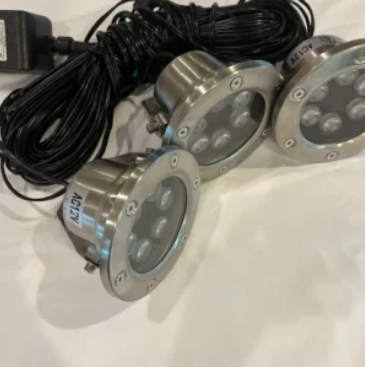
A fountain can become one of the most attractive features in an outdoor space after sunset, but only when the lighting is designed to complement the movement of the water. Outdoor fountain lighting can emphasize spray patterns, create reflections, add depth, and make ponds or garden water features more visible at night. The best results come from balancing brightness, beam direction, fixture placement, color, and electrical safety. Instead of simply installing the brightest lights available, property owners should think about how the fountain is viewed, how high the water sprays, and how the lighting fits with the rest of the landscape.
Why Add Lighting to an Outdoor Fountain?
Fountain lighting extends the visual value of a water feature beyond daylight hours.
During the day, natural light reveals the shape and movement of the fountain. At night, carefully positioned fixtures can recreate that visual interest while adding a different atmosphere.
Effective outdoor fountain lighting can help:
- Highlight water movement
- Create reflections across the pond
- Improve nighttime visibility
- Make the fountain a landscape focal point
- Complement nearby architectural lighting
- Support seasonal or event displays
The lighting should enhance the fountain without overwhelming the surrounding environment.
Match Lighting to the Fountain Pattern
Different fountain patterns need different lighting strategies.
A tall vertical jet may require concentrated upward beams, while a wide fan-shaped spray may need several fixtures positioned around the fountain.
Before choosing outdoor fountain lighting, consider:
- Spray height
- Spray width
- Number of nozzles
- Viewing distance
- Fountain position
- Main viewing angles
A fixture that works well for a small backyard feature may not illuminate a larger pond fountain effectively.
The shape of the water should guide the shape and direction of the light.
Position Lights to Reduce Glare
Lighting should usually be aimed toward the water rather than toward people.
Poorly positioned fixtures can create glare for anyone sitting nearby, walking around the property, or viewing the fountain from a window.
With outdoor fountain lighting, placement is often more important than raw brightness.
Fixtures positioned close to the fountain and angled upward can help illuminate the spray while keeping the light source itself less noticeable.
If the fountain can be viewed from several directions, multiple fixtures may provide a more balanced appearance.
Choose LED Fixtures for Efficiency
LED technology is commonly used for outdoor water features because it offers good energy efficiency, a long operating life, and flexible lighting options.
Compared with many older incandescent or halogen systems, LEDs generally require less electricity to provide comparable illumination.
Modern outdoor fountain lighting may include:
- Warm white LEDs
- Cool white LEDs
- RGB color-changing systems
- Dimming
- Timers
- Programmable effects
- Remote controls
These features allow users to change the appearance of the fountain without replacing fixtures.
Decide Between White and Colored Light
White lighting creates a classic appearance and can work especially well in formal landscapes or residential gardens.
Warm white light may coordinate with patios, pathways, and architectural lighting, while cooler white tones can create a crisp and modern appearance.
Color-changing outdoor fountain lighting is another option.
It may be appropriate for:
- Holiday displays
- Hotels
- Event venues
- Community spaces
- Commercial properties
However, excessive color changes can become visually distracting. Slow transitions or a single selected color may create a more refined effect.
Avoid Using Too Much Brightness
A brighter fountain is not automatically a better-looking fountain.
Excessive illumination can wash out the water pattern and create harsh reflections. It may also make the surrounding landscape appear unusually dark.
Proper outdoor fountain lighting should make the moving water easy to see while maintaining contrast.
For larger fountains, several moderately bright fixtures may produce a better result than one extremely powerful light.
Dimming capability is useful because it allows the lighting to be adjusted after installation.
Consider the Viewing Distance
Viewing distance affects how much light is needed.
A small garden fountain viewed from a nearby patio requires a different setup from a pond fountain located far from a building or shoreline.
When selecting outdoor fountain lighting, think about where people will normally see the fountain.
Important viewing points may include:
- Patios
- Windows
- Walking paths
- Roads
- Restaurant seating
- Hotel balconies
- Garden areas
Lighting should be tested from these locations rather than judged only from beside the fountain.
Make Electrical Safety a Priority
Electrical equipment near water requires appropriate safeguards.
Fixtures and electrical components should be designed for outdoor or submerged use according to the installation.
Safety considerations can include:
- Ground-fault protection
- Waterproof connectors
- Proper transformers
- Secure cable routing
- Suitable fixture ratings
- Correct voltage
Anyone installing outdoor fountain lighting should follow the manufacturer’s instructions and applicable electrical regulations.
For larger or permanent installations, professional electrical assistance may be appropriate.
Keep the Water and Fixtures Clean
Water quality can have a noticeable effect on fountain lighting.
Algae, sediment, and suspended particles can scatter light and make the display appear cloudy.
Lighting fixtures can also become coated with algae, dirt, or mineral deposits.
Regularly cleaning outdoor fountain lighting lenses can help preserve brightness and beam clarity.
Pond maintenance also supports the overall appearance of the display by keeping the surrounding water cleaner.
Use Timers for Easier Operation
Timers can simplify fountain lighting and reduce unnecessary energy use.
Instead of manually turning the system on and off every evening, property owners can schedule the lights to operate during specific hours.
Photocells can also activate outdoor fountain lighting automatically as natural light decreases.
For more advanced systems, smart controls may allow users to adjust colors, brightness, and operating schedules remotely.
Automated controls can be especially useful for commercial or large residential properties where the fountain operates every night.
Coordinate Fountain Lighting With the Landscape
A fountain should feel connected to the rest of the outdoor environment.
If nearby pathways, trees, buildings, or seating areas are illuminated, the fountain lighting should work with those features.
For example, using extremely cool blue light in a landscape dominated by warm lighting may create a disconnected appearance.
Well-planned outdoor fountain lighting can instead act as the main focal point while nearby areas receive softer illumination.
This layered approach can make the entire landscape feel more balanced.
Plan for Seasonal Changes
Outdoor lighting conditions can change through the year.
Trees may block or reveal certain viewing angles, daylight hours change, and vegetation can grow around fixtures.
Weather can also affect accessibility and maintenance.
A flexible outdoor fountain lighting setup should allow for occasional adjustments to beam angle, brightness, or operating time.
Seasonal inspections can help identify damaged cables, loose fixtures, or buildup that may affect performance.
Think About Maintenance Before Installation
Maintenance access is easy to overlook during the design stage.
Fixtures may eventually need cleaning, adjustment, or replacement.
Before installing lights, ask:
- Can the fixtures be reached safely?
- Can cables be inspected?
- Are connections accessible?
- Can individual fixtures be replaced?
- Will the fountain need to be removed for maintenance?
A system that looks excellent but is extremely difficult to service can become expensive and inconvenient over time.
Conclusion
A well-designed fountain lighting system can make a pond or garden water feature far more attractive after dark. The best results come from combining appropriate brightness, careful beam placement, efficient fixtures, clean water, and safe electrical installation. When illuminating a floating water fountain, the lighting plan should account for the fountain’s position on the water, spray direction, viewing distance, cable access, and the possibility of movement caused by wind or changing water conditions. Thoughtful outdoor fountain lighting can create a dramatic nighttime display without sacrificing efficiency or comfort. By selecting fixtures that match the fountain and planning for safety, maintenance, and surrounding landscape features, property owners can create an attractive and reliable lighting setup that works well throughout the year.