
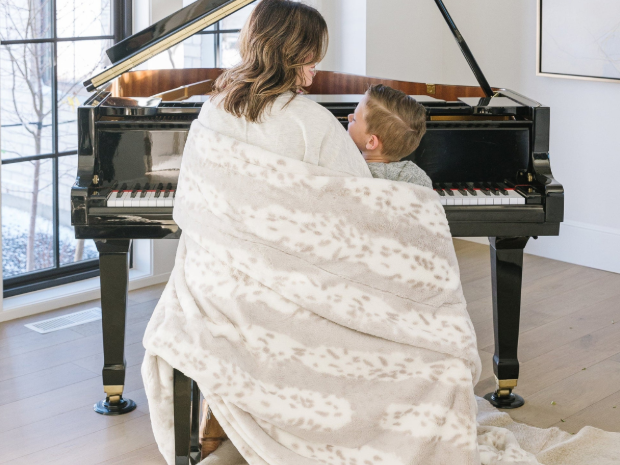
A blanket can influence how comfortable a space feels, whether it is draped across a sofa, layered over a bed, or kept nearby for relaxing evenings. While blankets are available in many fabrics and weights, minky has become popular for its smooth, plush texture and warm feel.
Understanding what makes soft minky blankets different can help shoppers choose a blanket that matches their preferred level of warmth, texture, size, and everyday use. Minky fabric is generally made from polyester microfiber, with fine fibers that create its characteristic velvety surface.
What Are Minky Blankets Made Of?
Minky blankets are made from synthetic polyester microfiber rather than animal fur. The fabric is designed with a dense, plush surface that gives it a noticeably smooth feel.
The construction of the material contributes to its softness while also making it suitable for regular household use. Polyester is commonly used in blankets because it can provide durability, color retention, and relatively simple care compared with some delicate natural fabrics.
For anyone considering soft minky blankets, the fabric composition is worth understanding because it also determines how the blanket should be washed and dried. Proper temperature and detergent choices can help preserve the texture over time.
Choosing the Right Blanket Weight
Blanket weight is an important consideration because warmth preferences differ from person to person. A lightweight blanket may work well for mild temperatures, while a heavier blanket can provide additional coverage during colder weather.
When shopping for soft minky blankets, consider where and when the blanket will be used. A compact throw can be practical for a living room chair, while a larger blanket may be more appropriate for a bed or for wrapping around the body.
Room temperature also matters. Someone who tends to feel warm at night may prefer a lighter option, while a person looking for additional insulation may appreciate a denser construction.
Keeping Your Blanket Soft Between Washes
Regular washing is not the only factor affecting a blanket’s texture. Everyday habits can also make a difference. Avoid placing plush blankets against rough surfaces that may catch or pull at the fibers.
When storing soft minky blankets, fold them loosely rather than compressing them under heavy objects. Keeping them in a clean, dry area can help protect the fabric from dust and moisture.
For minor spills, gentle spot cleaning can often be preferable to immediately putting the entire blanket through a wash cycle. Blotting rather than aggressively rubbing the affected area can help protect the plush surface.
Where Can You Use Minky Blankets?
One advantage of minky fabric is its versatility. A blanket can serve a practical purpose while also contributing to the appearance of a room.
A patterned blanket can add visual interest to a neutral sofa, while a solid-colored option can complement existing bedding. Smaller blankets can also be useful in reading areas, home offices, nurseries, or guest rooms.
For bedrooms, consider choosing a size that provides adequate coverage without creating unnecessary bulk. In living rooms, a smaller throw can be folded over the back of a sofa or placed in a basket for convenient access.
Conclusion
Understanding the characteristics of minky fabric makes it easier to choose an option suited to everyday lounging, sleeping, gifting, or decorative use.
For shoppers comparing comfy blankets, paying attention to fabric construction and care requirements can be just as important as appearance. A blanket that fits your preferred texture and warmth level—and can be cared for correctly—is more likely to remain a useful part of your home for a long time.