
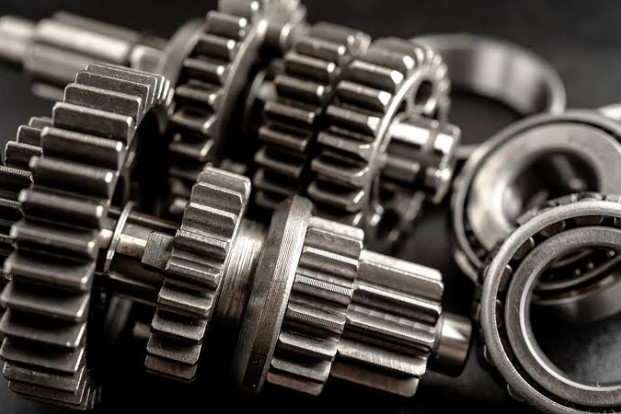
Packaging machinery relies on numerous mechanical and electrical components working together to maintain consistent production. Stretch wrappers, in particular, operate through repeated cycles involving film delivery, turntable movement, load positioning and tension control. Even when a machine is designed for low maintenance, individual components can eventually require inspection or replacement. Understanding how replacement kits work and why accurate component identification matters can help maintenance teams reduce avoidable downtime. The Lantech parts category includes components and kits designed for different stretch-wrapper configurations, including semi-automatic equipment. The product referenced in the supplied listing is a Q Semi-Automatic Parts Kit, manufacturer SKU 31061743, described as a 30-inch roll carriage rebuild kit.
What Are Parts Kits for Stretch Wrappers?
A parts kit groups multiple components required for a particular repair or rebuild procedure. Instead of identifying and ordering every small component individually, a kit can provide the parts needed for a defined machine assembly or maintenance task.
The referenced Lantech parts Q Semi-Automatic Parts Kit is listed under SKU M-5244-P and is described specifically as a 30-inch roll carriage rebuild kit. It is categorised as a stretch-wrap machine part and is supplied as one unit.
A rebuild kit can be useful when several related components within an assembly are reaching the end of their service life. Replacing the relevant components together can help restore the assembly’s intended operating characteristics instead of addressing individual failures one at a time.
Understanding the Roll Carriage
The roll carriage is an important part of a stretch wrapper because it controls the movement and delivery of stretch film around a palletised load. The carriage moves vertically along the machine structure while film is dispensed around the load.
The way the carriage handles film affects wrapping consistency, coverage and containment. If carriage movement becomes irregular, the film may not be distributed evenly across the height of the load.
Different stretch-wrapper configurations can use different carriage designs and film-delivery systems. Therefore, technicians should confirm the machine model and carriage specification before selecting replacement components.
Why Correct Parts Identification Matters
Industrial equipment components can look similar while having different dimensions, materials or performance characteristics. Using a visually similar replacement without verifying compatibility can lead to poor fitment or unexpected machine behaviour.
Lantech Parts Service states that some orders require the machine serial number, and the company recommends having the serial number available when ordering. It also asks customers who do not know the required part number to provide machine information and details about the component they need.
This process is particularly useful for older machines or equipment that has received modifications during its operating life. A model name by itself may not always provide enough information to identify the correct replacement.
What a Rebuild Kit Can Address
A rebuild kit is generally intended to restore a particular assembly rather than replace the entire machine. For a roll carriage, this may involve components that experience repeated movement, friction or load during normal operation.
Wear can develop gradually. Instead of producing an immediate machine failure, a worn component may first cause changes such as inconsistent film movement, unusual noise, increased vibration or irregular carriage travel.
Identifying these symptoms early can allow maintenance personnel to investigate the relevant assembly before a more serious breakdown occurs. A rebuild kit can then provide the components necessary to return the assembly to an appropriate operating condition.
Signs That Maintenance May Be Required
Regular observation is one of the simplest ways to identify developing equipment problems. Lantech recommends a basic visual and operational inspection of semi-automatic pallet wrappers, including checking for unusual conditions before wrapping the first load. Its maintenance guidance also recommends paying attention to unusual squeaking, scraping or grinding sounds.
Other warning signs can include:
- Uneven film application
- Irregular carriage movement
- Unusual vibration
- Film tension inconsistencies
- Excessive noise
- Visible wear or damage
- Unexpected machine stops
These symptoms do not necessarily indicate one specific failed component. Troubleshooting should establish the cause before replacement work begins.
Preventive Maintenance and Stretch Wrapper Reliability
Preventive maintenance can reduce the likelihood of unexpected failures. Lantech’s maintenance guidance recommends regular checks of components such as the turntable belt or chain, the film-delivery lift belt or chain and relevant lubrication points.
Maintenance frequency should ultimately follow the equipment’s specific documentation and operating environment. Machines exposed to high production volumes, dust, debris or demanding operating conditions may require closer monitoring.
Visual inspections are particularly useful because they can reveal contamination, loose fasteners, damaged components or other abnormal conditions before they develop into larger problems.
Why the Film Delivery System Matters
The film delivery system controls how stretch film is supplied to the load. Consistent film delivery is important because the wrapping process depends on controlled tension and predictable film movement.
If the delivery system does not operate correctly, the machine may consume film inefficiently or produce inconsistent containment. Lantech’s semi-automatic wrapper guidance identifies the film delivery system as an important consideration when evaluating machine reliability and maintenance requirements.
For maintenance personnel, this means that problems in the film path should not automatically be attributed to the film itself. Mechanical components within the carriage and delivery system can also influence performance.
When Should a Parts Kit Be Considered?
A rebuild kit may be appropriate when an assembly has multiple worn components or when a defined maintenance procedure calls for replacing several related items.
For example, replacing one worn component may temporarily restore operation, but other components within the same assembly may already be approaching the end of their service life. A complete rebuild kit can address the relevant assembly more comprehensively when the manufacturer’s specifications support that approach.
However, maintenance teams should avoid replacing components solely based on age. Inspection, machine history, operating symptoms and manufacturer guidance should all contribute to the decision.
Keeping Critical Components Available
The right inventory strategy depends on the type of stretch wrapper and the consequences of downtime. Lantech notes that highly reliable semi-automatic stretch wrappers generally require relatively little maintenance, while fully automatic systems may justify keeping critical spare components in stock because downtime can have a greater impact on production.
This means businesses should consider their production environment before purchasing large quantities of replacement components. Critical equipment with no practical manual backup may justify a more extensive spare-parts strategy.
For less critical machines, maintaining documentation and having a reliable source for replacement components may be more practical than storing every possible part.
Choosing a Reliable Parts Source
When ordering replacement components, maintenance teams should verify the machine’s model, serial number, manufacturer part number and component description. This information provides a stronger basis for selecting the correct item than appearance alone.
Lantech states that it supports every stretch wrapper and case machine it has built and provides parts-ordering assistance through its support system.
The product listing for the referenced Q Semi-Automatic Parts Kit also notes that some Lantech components may have lead times based on the specific machine serial number.
This reinforces the importance of supplying accurate machine information when ordering.
Safety During Parts Replacement
Maintenance work on industrial packaging equipment should always follow the manufacturer’s safety procedures. Before working on moving or powered components, the machine should be isolated according to the applicable lockout and safety requirements.
Operators should not bypass guards, safety switches or other protective systems to keep production running. If a repair requires specialist knowledge, qualified maintenance personnel or an authorised service technician should perform the work.
Safety is especially important when working around moving carriages, turntables, electrical systems and other mechanisms capable of causing injury.
Conclusion
Reliable stretch-wrapper performance depends on more than the main machine itself. Components within the film-delivery system, roll carriage, turntable and control systems all contribute to consistent operation. Regular inspection can identify wear early, while correctly specified rebuild kits can provide an efficient way to restore particular assemblies when multiple related components require attention.
For maintenance teams managing machines parts, accurate identification remains one of the most important steps before ordering replacements. Checking the machine serial number, model, manufacturer SKU and application can help ensure that the selected components are compatible with the equipment and support reliable packaging operations.